Coloring and Fine Motor Skills: What It Really Does for Young Kids
6 min read
Coloring is often described as great for fine motor skills, and it does give small hands useful practice. It is not magic, though, and some of what gets claimed for it is overstated. Here is what coloring actually asks of a child, what it doesn't do, and some small changes that make the time spent on it more worthwhile.
What "fine motor skills" means
Fine motor skills are the small, precise movements of the hands and fingers, usually guided by the eyes: doing up buttons, using a spoon, turning pages, cutting with scissors and, eventually, writing. They rest on bigger body skills. A steady trunk and a stable shoulder give the hand a firm base to work from, which is why a child's posture matters as much as their grip.
Coloring is one of many everyday activities that use these skills. Early-childhood teachers and pediatric occupational therapists have long kept it in the toolbox, not because it is special, but because it is cheap, familiar and something children choose to do on their own.
What coloring asks of a child's hands
- Strength and endurance. Pressing a crayon hard enough for strong color, and keeping it up for several minutes, works the small muscles of the hand. Wax crayons need more pressure than markers, which is one reason teachers keep them around.
- Control. Slowing down near a line, making short strokes in a tight corner and changing direction mid-stroke all take deliberate control of the fingers and wrist.
- Eye-hand coordination. The eyes watch the crayon tip and the line, and the hand adjusts continuously.
- Two hands, two jobs. One hand colors while the other holds the paper steady. This teamwork, called bilateral coordination, is easy to overlook: a child who leaves the helper hand in their lap soon finds the page sliding away.
- Grip practice. Every session is practice holding a tool between the fingers, and grips mature gradually over the preschool years. Our guide to choosing pages by age describes the usual progression.
What it asks of the rest of the child
- Attention and persistence. Finishing a shape, then another, then the whole picture. For a three-year-old, one balloon is a complete task; a whole page may be too much.
- Choices. Which color, which part first, real colors or silly ones. These are small, low-stakes decisions with no wrong answer, which is exactly the kind of practice young children need.
- Planning. Older children start to think ahead: all the stripes first, then the background.
- Conversation. Sitting side by side with crayons is a relaxed setting for talk: naming colors, describing what is in the picture, telling its story. Many parents notice children chat more when their hands are busy.
- A calm few minutes. Plenty of children find the repetitive motion settling, which is why many classrooms keep pages in a quiet corner. Not every child does, and if yours finds it frustrating, that is useful information rather than a problem to fix.
What coloring doesn't do
- It doesn't replace active play. Climbing, crawling, carrying things and hanging from the monkey bars build the shoulder and core stability that fine hand control depends on.
- It isn't handwriting practice on its own. It shares some groundwork, such as grip and control, but forming letters is a separate skill that needs its own teaching.
- Staying inside the lines isn't a test of intelligence or school readiness. Neatness varies a lot between children and improves with age and practice.
- Tapping a screen works the hand very little. In our online coloring studio, the fill tool is a single tap. Brushing with a fingertip involves more movement, but there is no tool to hold and no resistance. Screen coloring has its own uses; for hand work, count the paper time.
- It won't resolve a real difficulty by itself. If something concerns you, ask for advice (see the end of this guide).
Small changes that make coloring count for more
- Break crayons into short pieces. A piece about an inch long is hard to hold in a fist, so it naturally nudges the fingertips into action. Occupational therapists use this trick a lot. Only offer short pieces to children who no longer put things in their mouths, since small pieces are a choking hazard for toddlers.
- Go vertical. Tape the page to a wall, easel, fridge door or window at the child's eye level. Working on an upright surface tips the wrist slightly back, a position that supports finger control, and works the shoulder at the same time. Many therapists recommend easels for exactly this reason.
- Try tummy coloring. Lying on the floor propped up on the elbows puts weight through the shoulders and arms. Preschoolers often enjoy the novelty.
- Set up the seat. Feet flat on the floor or on a box, and the table at about elbow height. Dangling feet or a too-high table make children grip harder and tire sooner.
- Give the helper hand a job. "Hold your paper still like a paperweight." Once a child is past the toddler stage, stop taping the page down so that hand has something to do.
- Add texture. Put a sheet of fine sandpaper or a textured placemat under the page. The crayon gives more feedback and leaves an interesting pattern.
- Keep it short and stop early. Five focused minutes do more than twenty reluctant ones. End while it is still fun.
- Mix in other hand work. Tearing paper for a collage, squeezing play dough, peeling stickers, using tongs, building with blocks, and cutting out the finished picture all use the hands in different ways.
Combine two of these: tape a page to the fridge at eye level and offer a basket of short crayon pieces. It turns an ordinary coloring session into good hand and shoulder work without any extra fuss.
Choosing pages with a purpose
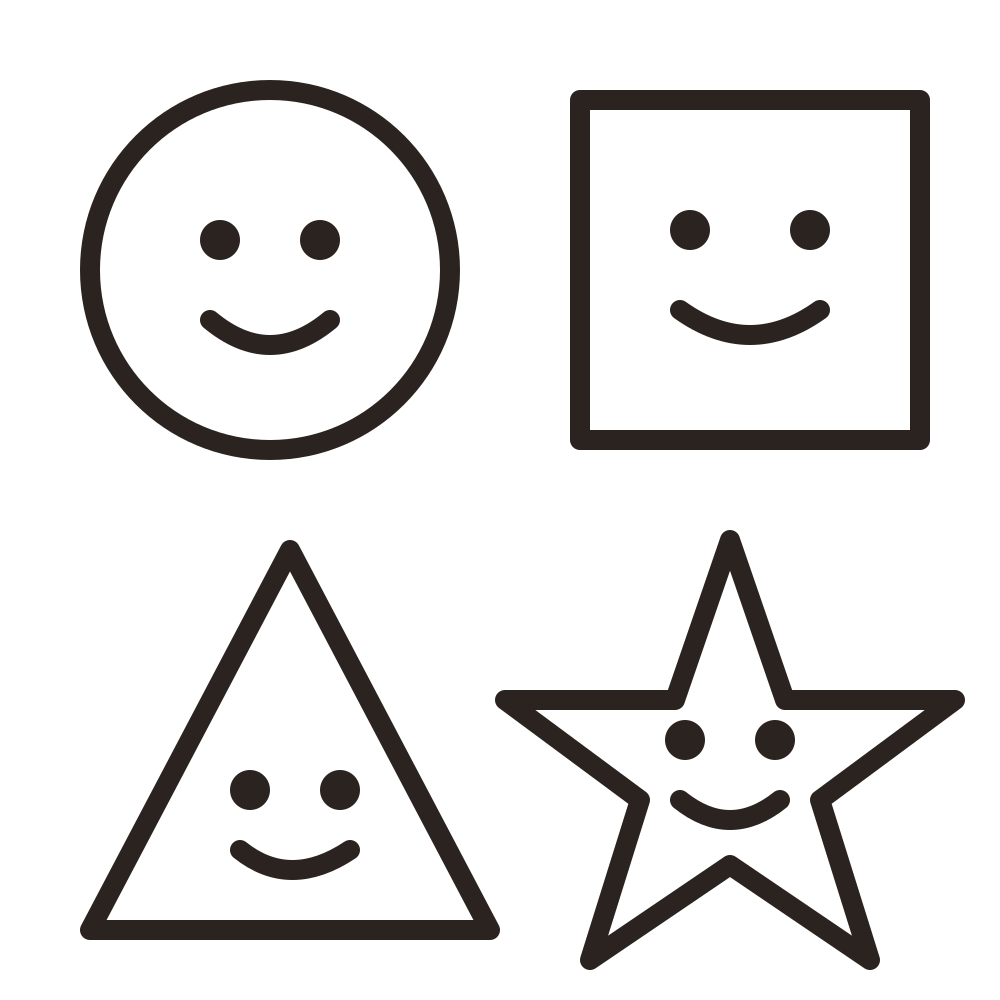
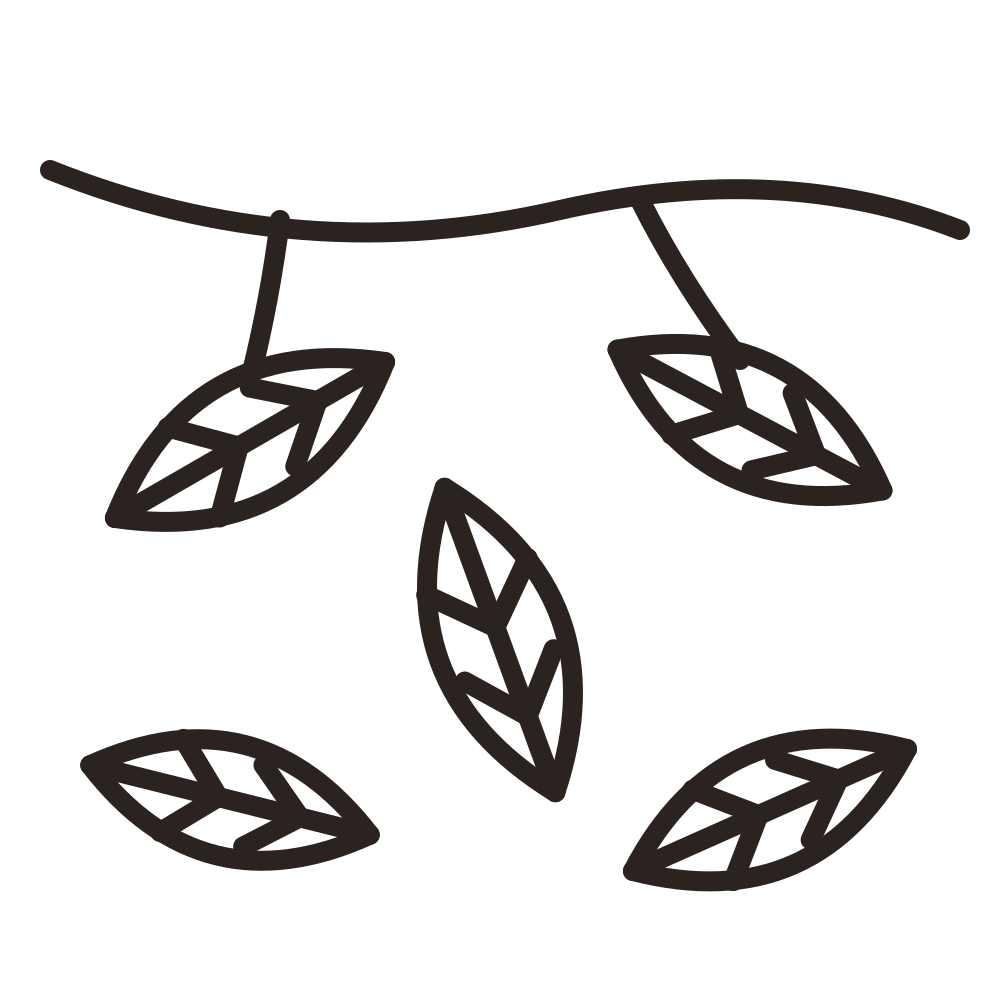
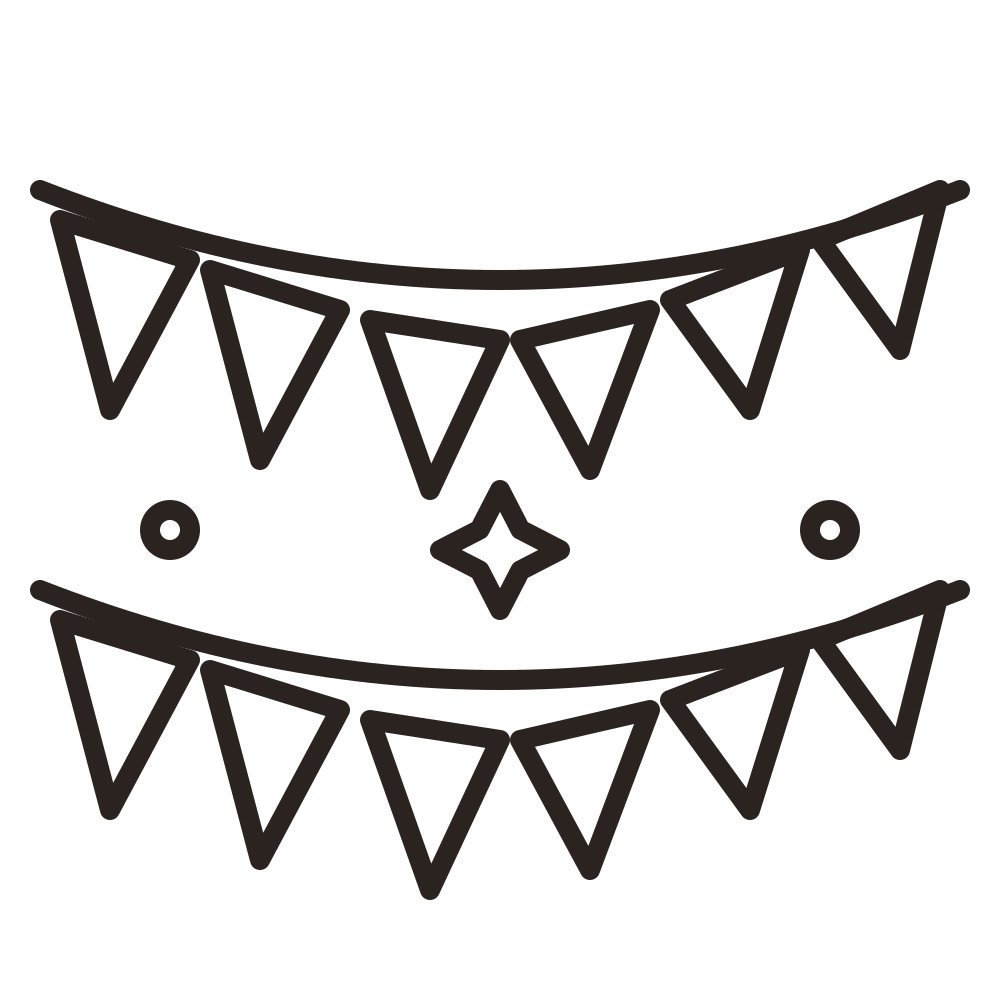
Different drawings work the hand in different ways. Large, simple shapes like Rainbow and Clouds and Shape Friends invite long, sweeping strokes and early control. Pages with lots of small, repeated parts ask for short, careful strokes and stopping at a line over and over: the rays of Smiling Sun, the twelve flags of Birthday Bunting or the sixteen leaves of Christmas Wreath. Falling Leaves scatters five small targets across the page, good practice in moving and aiming.

Rainbow and Clouds
Easy
Shape Friends
Easy

Smiling Sun
Easy
Falling Leaves
Medium
Birthday Bunting
Easy

Christmas Wreath
Detailed
When to ask for advice
Children develop at very different rates, and a child who doesn't like coloring is not a cause for concern. It may be worth mentioning to your pediatrician if your child consistently avoids drawing and other hand activities, often says their hand hurts or tires very quickly, struggles with a grip that causes real frustration once they are at school, or uses one side of the body very differently from the other. Your pediatrician can refer you to a pediatric occupational therapist if it would help. Nothing in this guide is a diagnosis or a substitute for that advice.