Simple Color Tips to Teach Kids While They Color
6 min read
You don't need an art background to teach a child a few things about color. A handful of simple ideas, each one shown in a minute with a crayon and a scrap of paper, can change how a child approaches a coloring page. Here are the basics, with a tiny exercise for each, roughly in the order most children are ready for them.
Keep it light
Teach one idea at a time, show rather than explain, and let your child try it on a scrap of paper before using it on a real page. Most of these suit children from about four or five; for younger ones, simply naming colors as they use them is plenty. If a tip turns coloring into a chore, drop it and come back another day.
Primary and secondary colors
In the classic art-class model, red, yellow and blue are the primary colors. Mixing two of them makes a secondary color: red and yellow make orange, yellow and blue make green, and blue and red make purple.
Crayons don't blend as dramatically as paint, but children can still see it happen. Try it: color a small patch lightly with yellow, then go over half of it with blue. The overlap turns green. Ask your child to guess what red over yellow will make before they try it. Colored pencils show the effect even more clearly.
If an older child points out that printers use cyan, magenta and yellow, they are right. Ink, paint and light mix in different ways. Red, yellow and blue are simply the easiest place to start with crayons.
Warm and cool colors
Reds, oranges and yellows feel warm, like sunshine and fire. Blues, greens and purples feel cool, like water, ice and shade. Try it: color Smiling Sun using only warm colors, then color Jellyfish or Smiling Whale using only cool ones. For a bigger challenge, color the same page twice, once warm and once cool, and talk about how each one feels.
Light and dark with one crayon
How hard you press changes the color. A light touch gives a pale, soft color and pressing harder gives a strong, deep one. Try it: draw three boxes on scrap paper and call them whisper, talk and shout. Color the first very gently, the second normally and the third hard, all with the same crayon.
Then use it on a page. Hearts and Swirls has three hearts nested inside each other: color the outer heart in a whisper, the middle one in a normal voice and the inner one in a shout, and the heart seems to glow from the middle. In our online studio, each color family in the palette is laid out from light to dark, so a child can find three shades of one color side by side.
Leave a little white
Shiny, round things catch the light in one small spot. Leaving that spot uncolored makes a ball, an apple or an eye look round and glossy. Try it: before coloring the Christmas Bauble or the ball on Puppy with Ball, draw a tiny circle near the top edge with a very light pencil and color around it. Put the highlight on the same side of every object on the page, because light usually comes from one direction.
Layering two crayons
Putting one color over another gives a richer result than either alone. The rule of thumb is light first, dark second, because a dark layer is hard to lighten afterward. Try it: color the petals of Rose in Bloom pink all over, then add red only near the center so the petals darken toward the middle. Yellow under orange on a sunflower or green under blue in the sea works the same way.
Coloring in one direction
Scribbling every which way leaves gaps and a scratchy look. Strokes that all go the same way, side by side like mowing a lawn, give a smooth, even surface. Try it: color half of a large shape any old way and the other half with strokes in one direction, then compare. Older children can try following the shape, using curved strokes on something round. With colored pencils, small overlapping circles also give an even finish.
Outline first, then fill
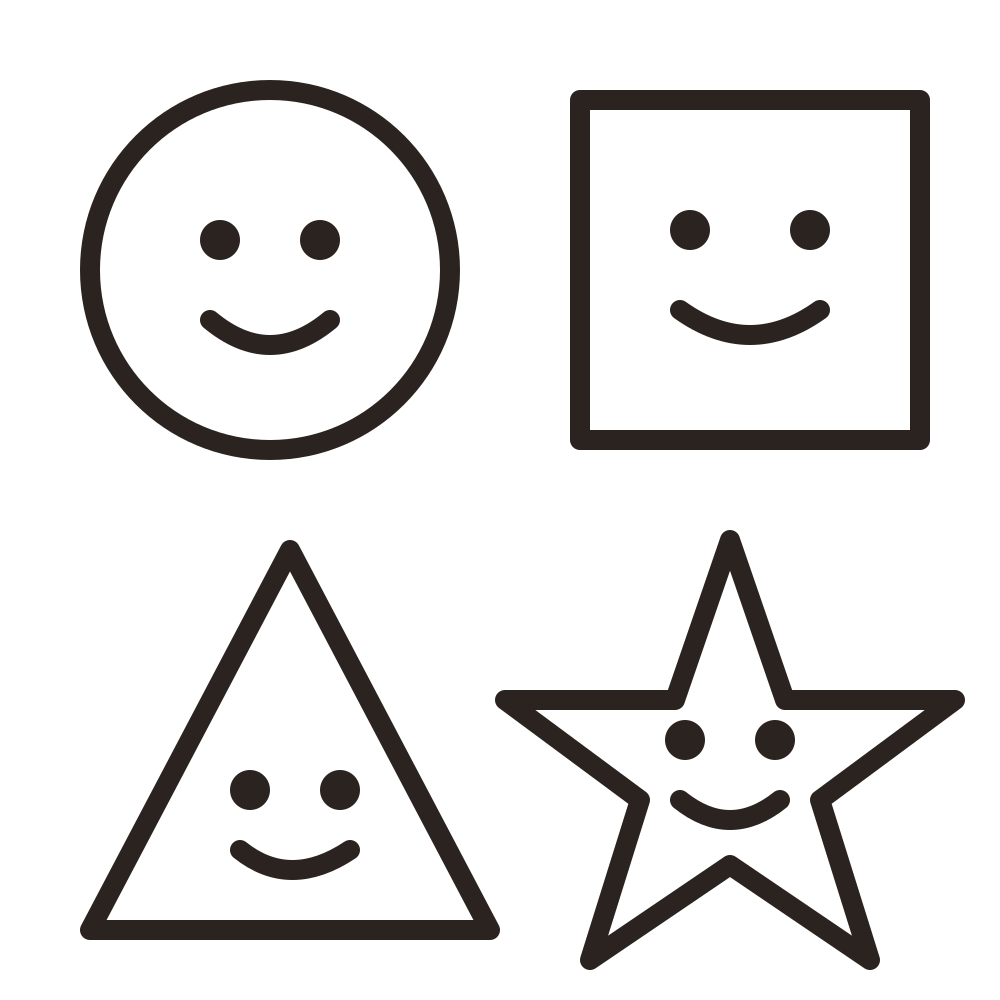
This is the single most useful trick for staying inside the lines. Trace carefully along the inside edge of a shape to build a fence, then fill the middle with bigger, faster strokes; the fence catches any strokes that overshoot. Try it on the circle, square and triangle of Shape Friends. It works best on medium-sized shapes and suits children who already have some control, usually from five or so.
Keep a strip of scrap paper next to the page for testing. Children can try a color, a pressure or a layer combination before committing, and the strip becomes a little record of everything they tried.
Real colors or silly colors? Both are fine
Coloring things the way they look in real life is a lesson in noticing. Look at a real leaf or a photo together: how many different greens can you see? In autumn, collect a few fallen leaves and match them to crayons before coloring Maple Leaf.
Silly colors are a lesson in imagination, and they have a long history. The painter Franz Marc famously painted blue horses. If your child wants a purple dog, don't correct it; ask about it. "Why purple?" often gets a better story than you expect.
Try a limited palette
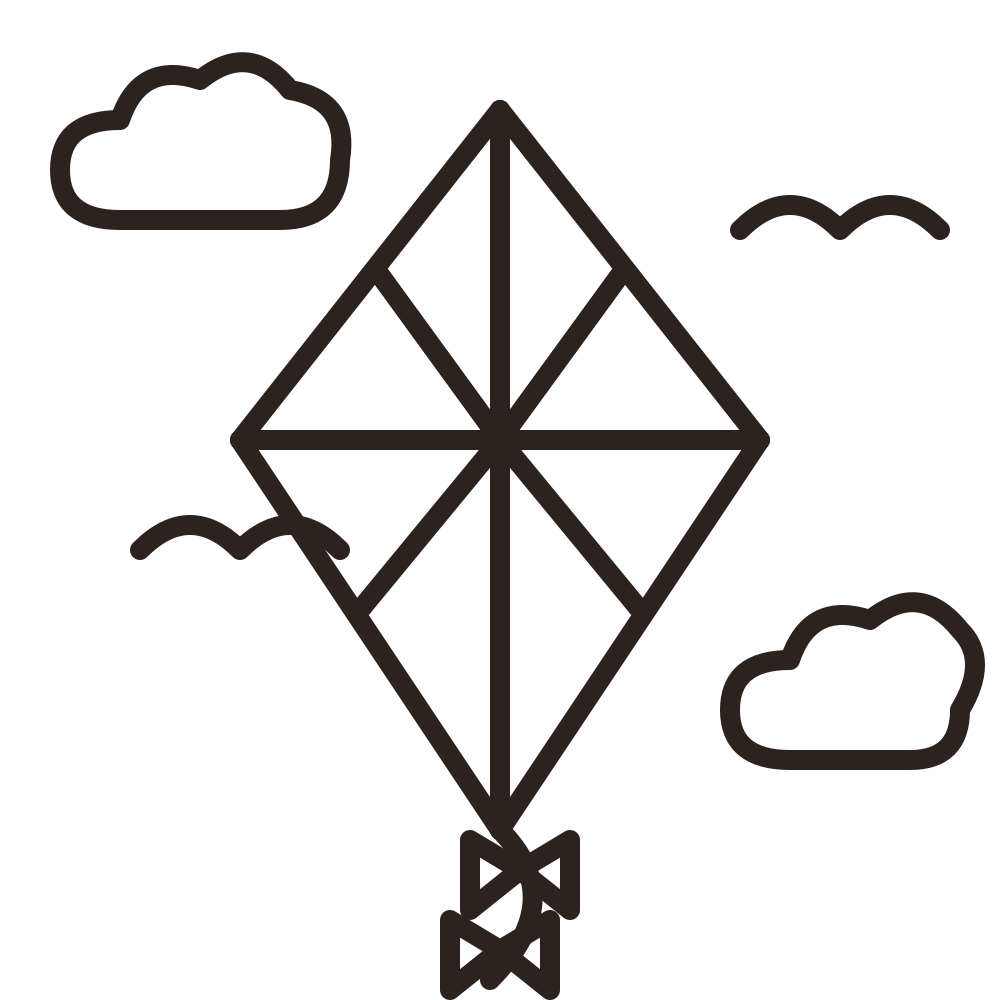
Too many choices can make a picture look busy and a child feel stuck. Picking just three crayons before starting forces decisions and tends to make colors look like they belong together. Try it: color the four panels of Kite in the Sky using only two colors, alternating them, plus one more color for the bows on the tail. Or choose three shades of one color, such as three blues, for a whole page.
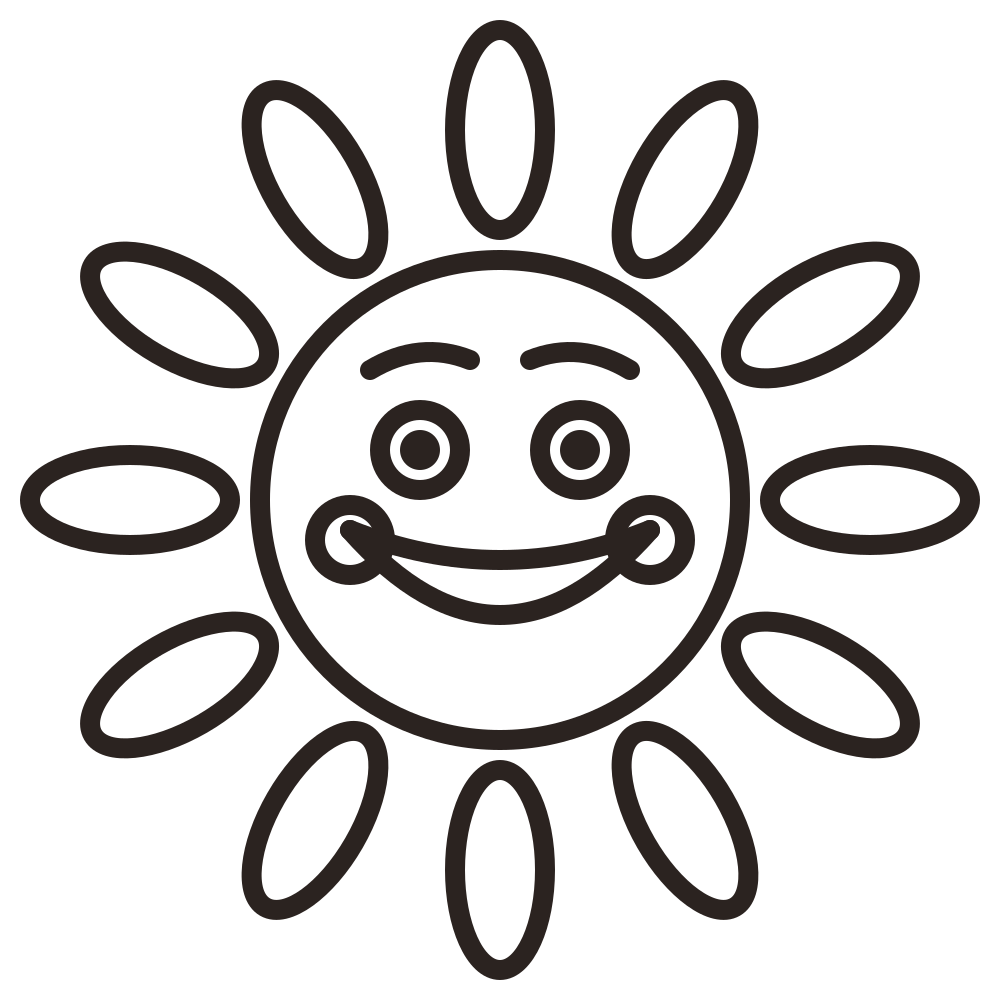
Smiling Sun
Easy
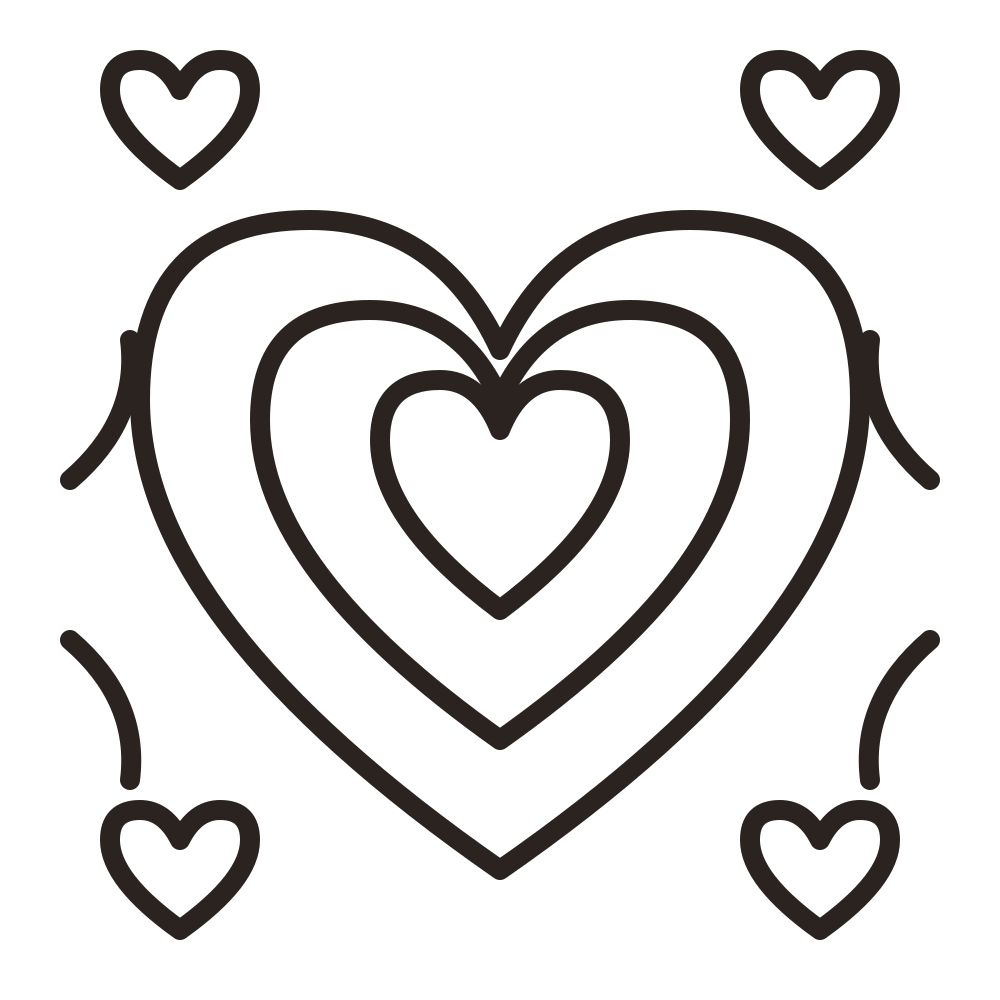
Hearts and Swirls
Easy
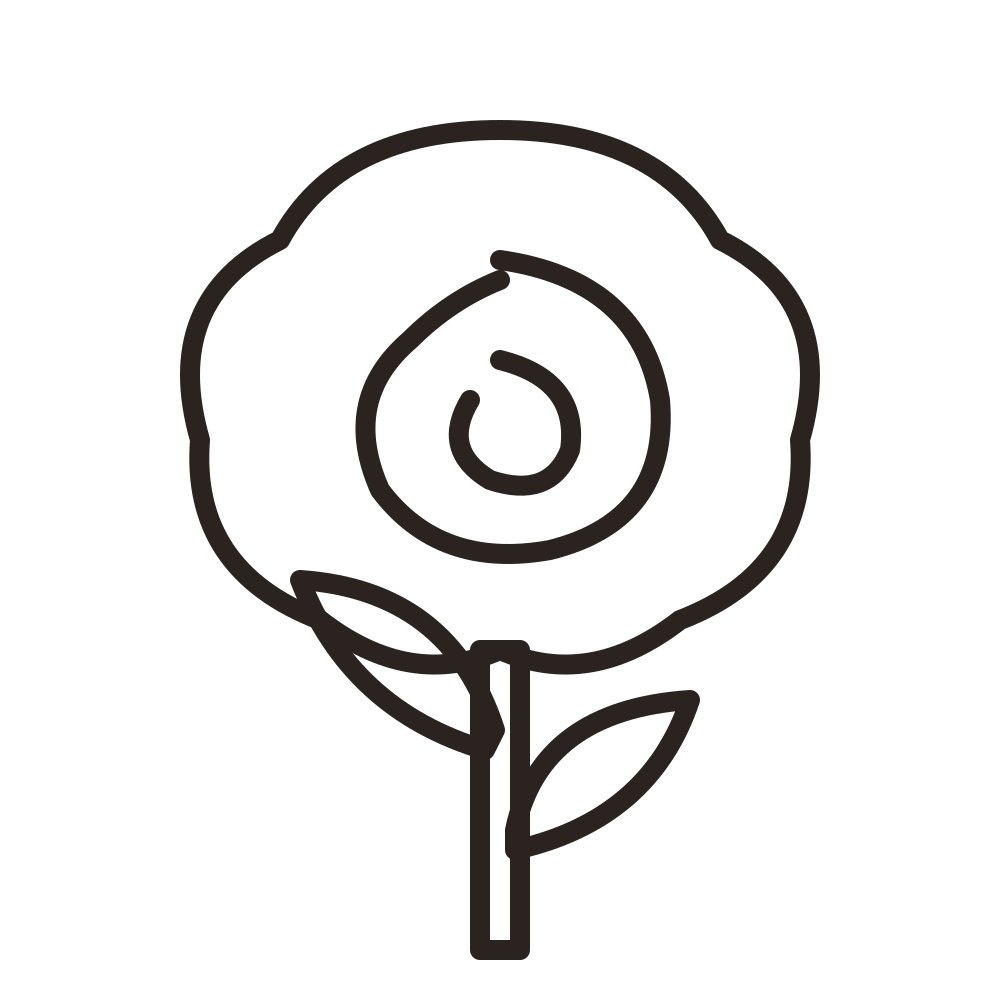
Rose in Bloom
Easy
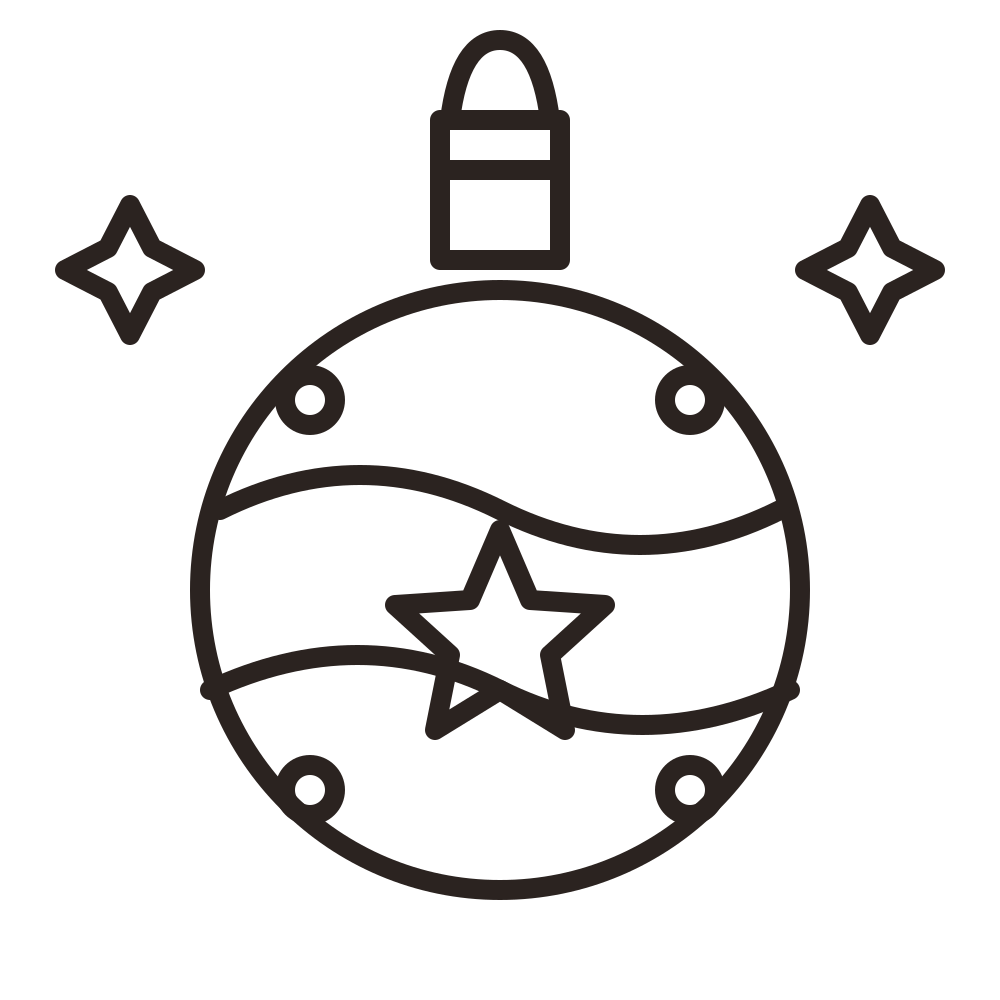
Christmas Bauble
Medium
Kite in the Sky
Medium
Shape Friends
Easy
Where to go next
If your child is younger and these ideas feel like too much, our guide to choosing coloring pages by age can help you find pages that fit. For teaching color to a group, the "same page, many versions" activity in our classroom activities guide works well alongside these exercises.