How to Choose the Right Coloring Page for Your Child's Age
7 min read
A coloring page that is too simple gets abandoned in a minute, and one that is too fiddly ends in tears. The right page depends less on the number of candles on the cake than on how your child holds a crayon and what they enjoy. Here is what tends to work at each stage, and how to tell when it doesn't.
Start with the child, not the birthday
Two four-year-olds can be a year apart in how they handle a crayon, and both be completely on track. The age ranges below are typical, not deadlines. The most useful thing you can do is watch your child color for five minutes: how they hold the crayon, whether they aim for a shape or sweep across the page, and how long they stay interested. That tells you more than any chart.
How a crayon grip usually develops
Most children move through a few grips in roughly the same order, each at their own pace:
- Fist grip (roughly 1 to 2 years). The crayon sits in a closed fist, often point-down, and the movement comes from the shoulder. Big, sweeping marks are exactly what this grip is for.
- Fingers-down grip (roughly 2 to 3½). Sometimes called a digital-pronate grip: the palm faces the paper and the fingers wrap around the crayon. Movement shifts toward the elbow and wrist, and marks get a little more controlled.
- Three-finger grip (roughly 3½ to 6). The crayon rests between the thumb, index finger and middle finger, often called a tripod grip. At first the whole hand moves as one unit; later the fingers make the small movements on their own, which is what lets a child color a tiny space neatly.
Plenty of children settle on four fingers instead of three, or a hold that looks unusual but works well for them. Occupational therapists generally care more about whether a grip is comfortable and lets the child make the marks they want than about whether it looks like the textbook picture. If something worries you, such as your child avoiding drawing altogether, saying their hand hurts, or seeming well behind other children their age, mention it to your pediatrician, who can refer you to a pediatric occupational therapist if it seems useful.
Toddlers (about 2 to 3): one big shape is plenty
At this age coloring is mostly the discovery that moving your arm leaves a mark, and that different crayons leave different colors. Staying inside a line is not a goal yet, and that is fine.
Look for a single subject, a few large closed shapes, thick lines and lots of open space. Sunny Daisy and Rainbow and Clouds are good examples: a toddler can scribble across a petal or a band of the rainbow and still feel they "colored the flower."
- Tape the page to the table. The helper hand isn't reliable yet, and a sliding page is frustrating.
- Offer two or three chunky crayons at a time rather than the whole box.
- Expect sessions of a couple of minutes. Stopping early is not failure.
- Stay close. Toddlers still test things with their mouths, so skip small broken crayon pieces and marker caps for now.
Preschoolers (about 3 to 5): a few shapes with a story
Somewhere in this window most children start aiming. They try to color the sun rather than the paper, and they pick colors on purpose. Many also begin copying a circle and then a cross on their own, a sign that hand and eye are learning to work together.
Pages with roughly three to eight clearly separate parts work well, such as Wishing Star, Party Balloons and Friendly Fin. Most pages the site marks easy fit here. A friendly face matters more than you might think: preschoolers put more effort into a character they can talk to.
Washable markers are rewarding at this stage because bright color appears with very little pressure. Crayons remain the best everyday tool, and once the mouthing stage is over, short crayon pieces nudge little fingers toward a fingertip grip. Our guide to coloring and fine motor skills explains why.
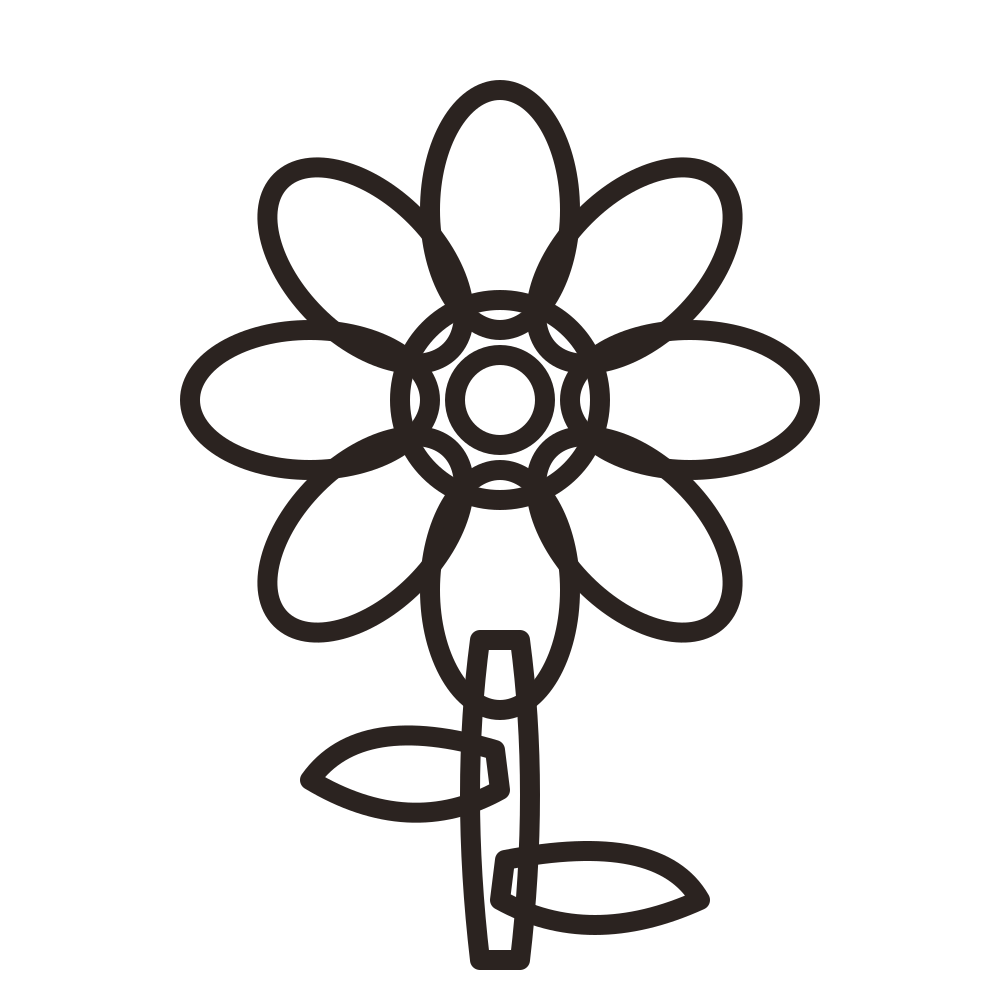
Sunny Daisy
Easy
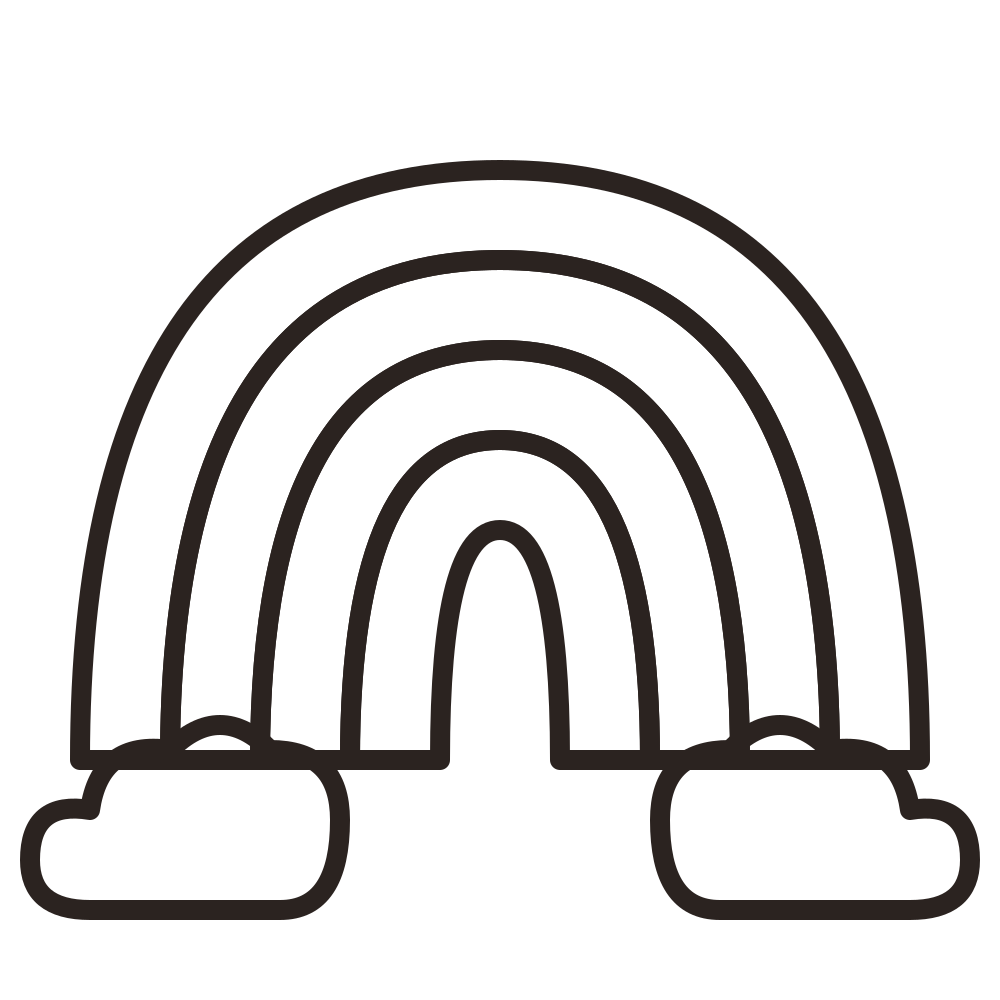
Rainbow and Clouds
Easy

Wishing Star
Easy
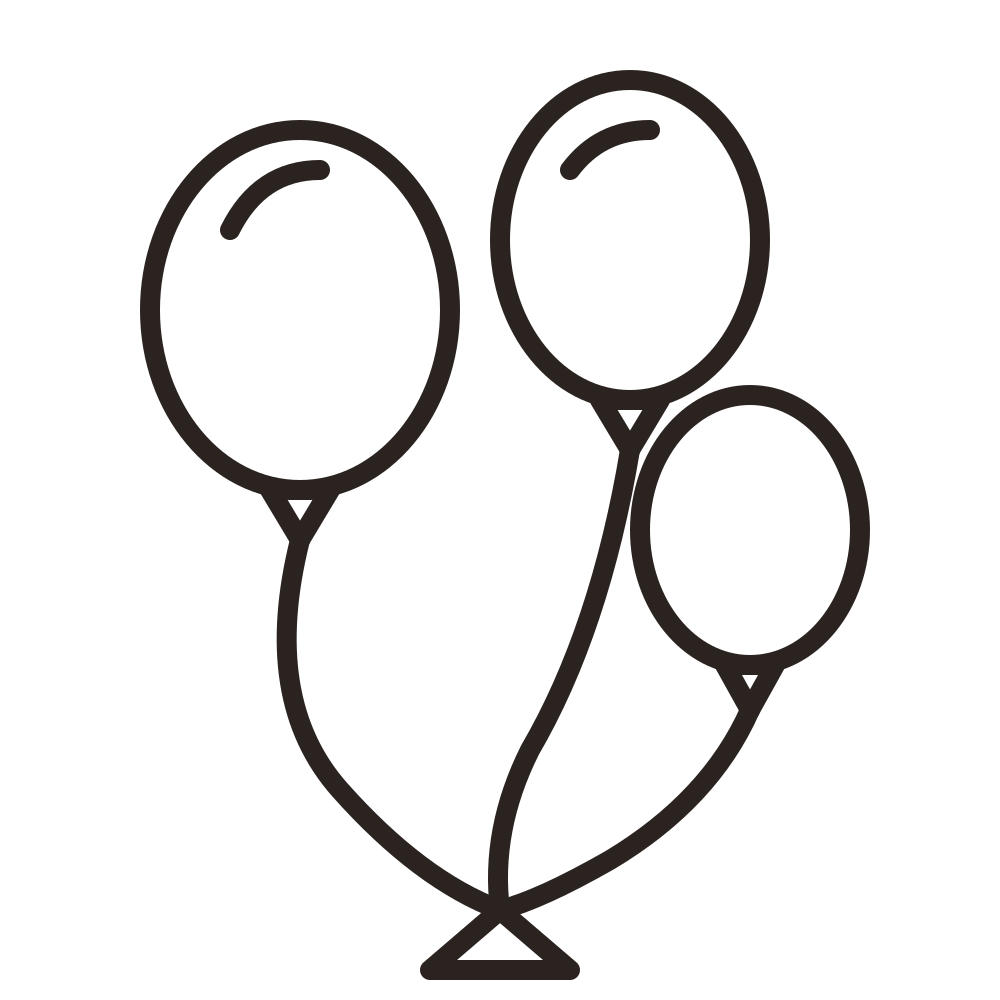
Party Balloons
Easy
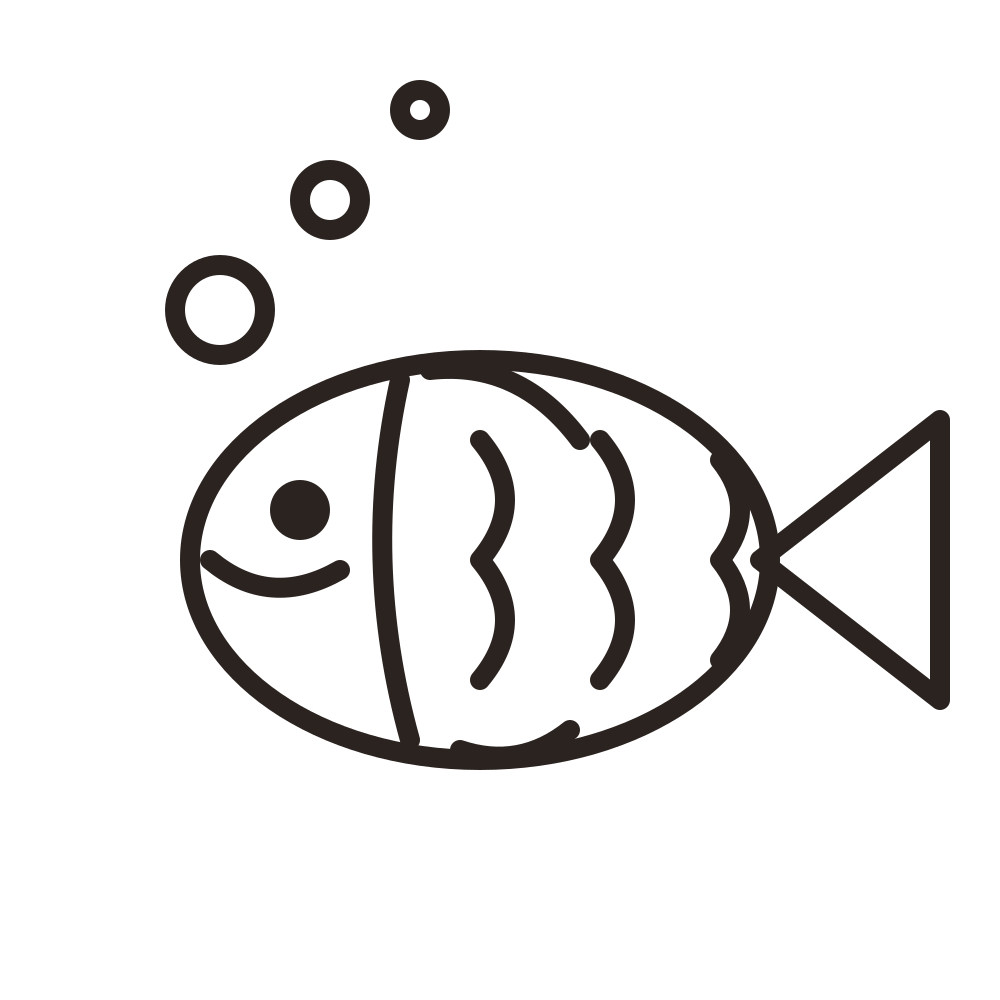
Friendly Fin
Easy
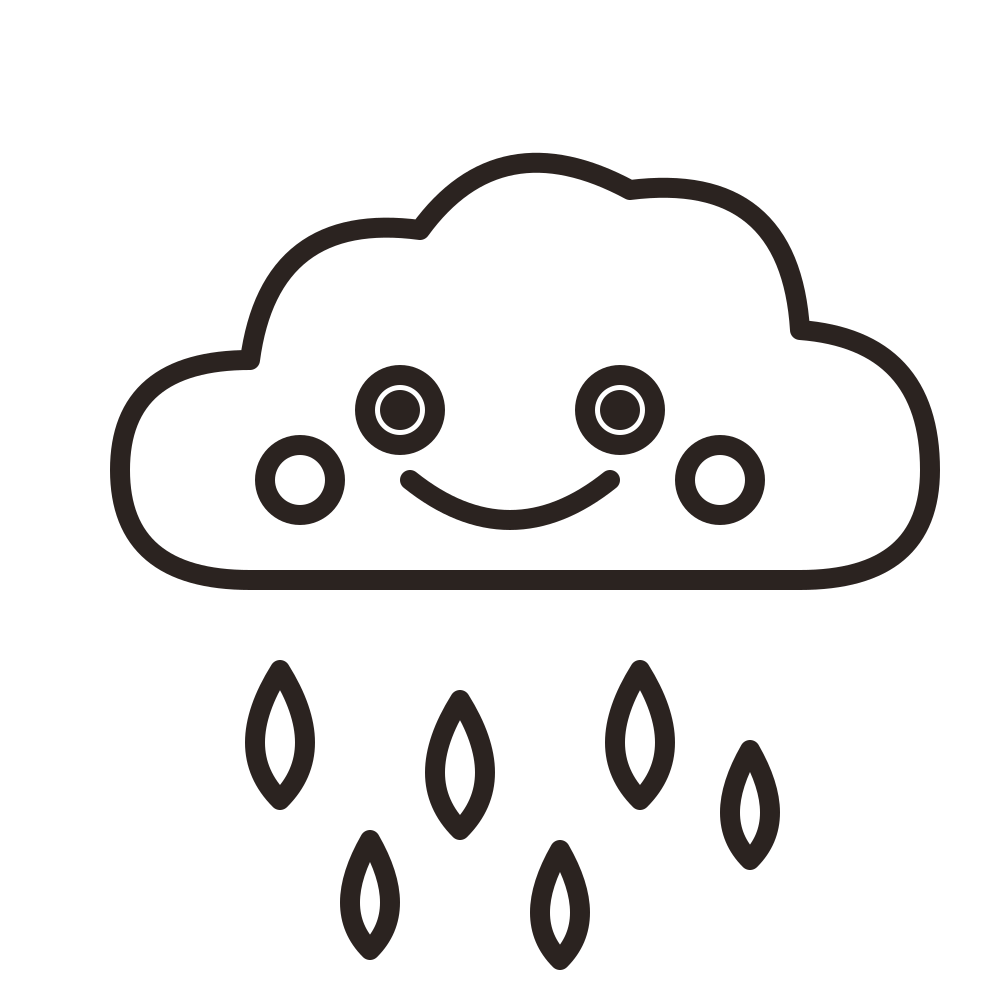
Happy Cloud
Easy
Early school years (about 5 to 7): more parts, smaller spaces
By kindergarten and first grade, most children can color a medium-sized shape mostly inside its lines, and they start to care whether it "looks right." Pages marked medium come into their own here: more shapes and a few small spaces, but nothing fiddly. The ladder sections and little doors on Fire Engine, the lantern and toadstools around Fairy Door and the wavy bands crossing Christmas Bauble give a child something to plan.
Children this age often enjoy deciding in advance: the bus is yellow, the windows are blue, the wheels are black. Encourage that kind of plan. Colored pencils start to make sense now for windows and small details, with crayons kept for the big areas.
Interest beats difficulty almost every time. A truck-mad six-year-old will happily work through a harder page from Cars & Trucks than a flower page of the same level.
Seven and up: detail, patterns and patience
Older children often want a challenge, and some start to feel that coloring is for little kids. Pages marked detailed, with many small regions or repeating patterns, keep it grown-up. Star Mandala, the fanned tail of Proud Peacock and the tight ring of leaves on Christmas Wreath reward slow, careful work and make room for patterns of their own.
This is the age for colored pencils, fine-tip markers and trying techniques like shading and layering. Our simple color tips for kids has small exercises to start with.
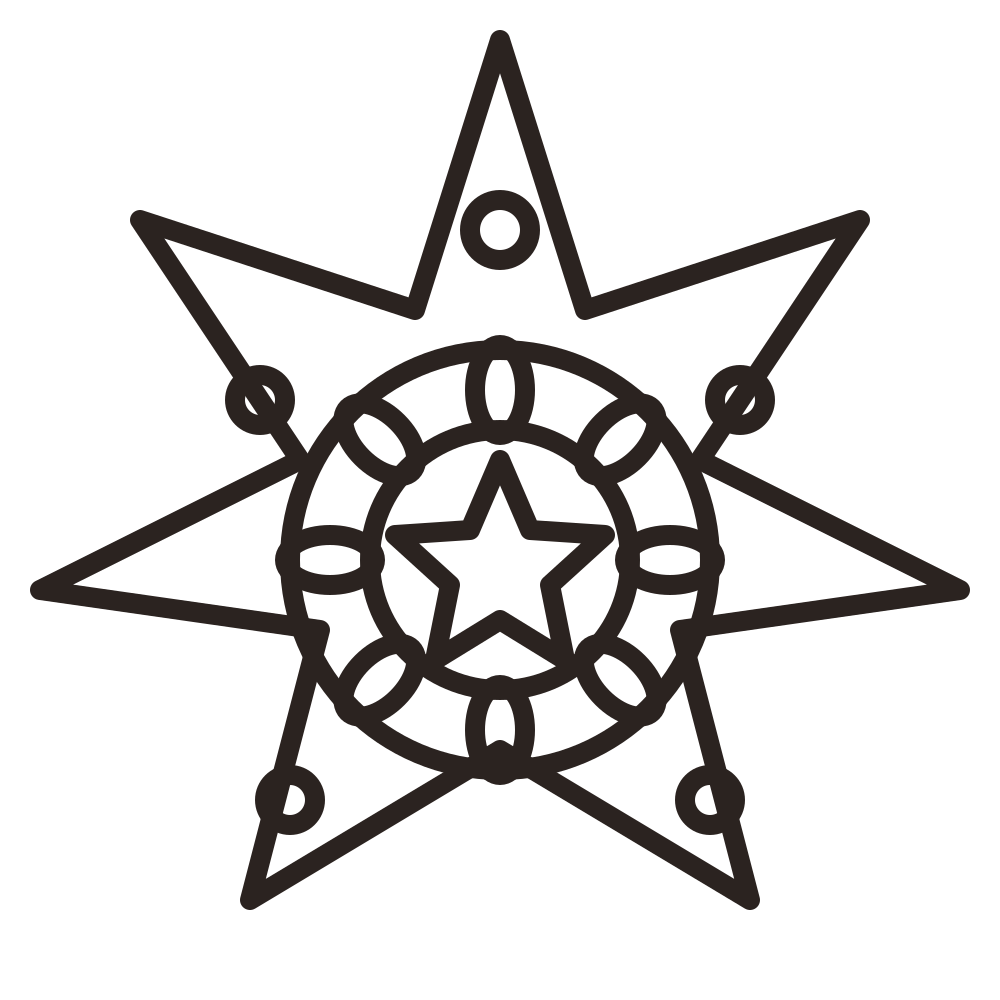
Star Mandala
Detailed
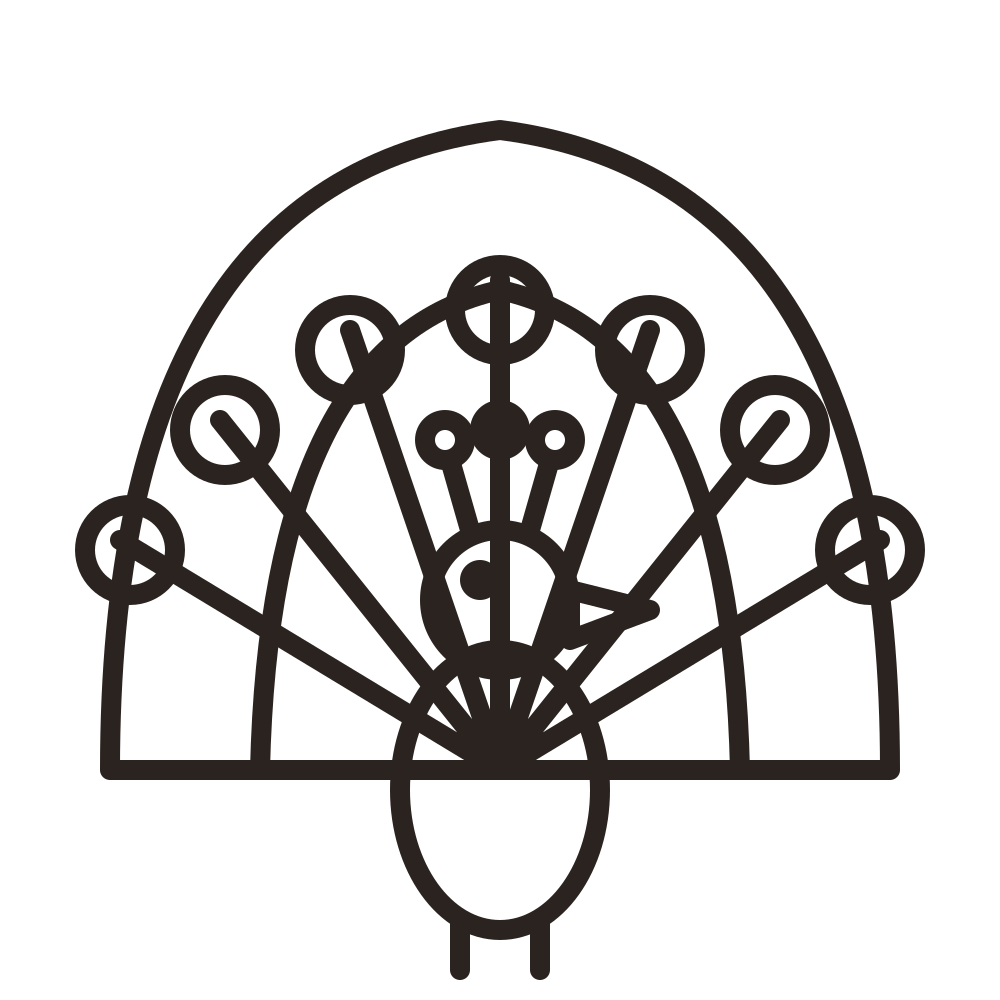
Proud Peacock
Detailed
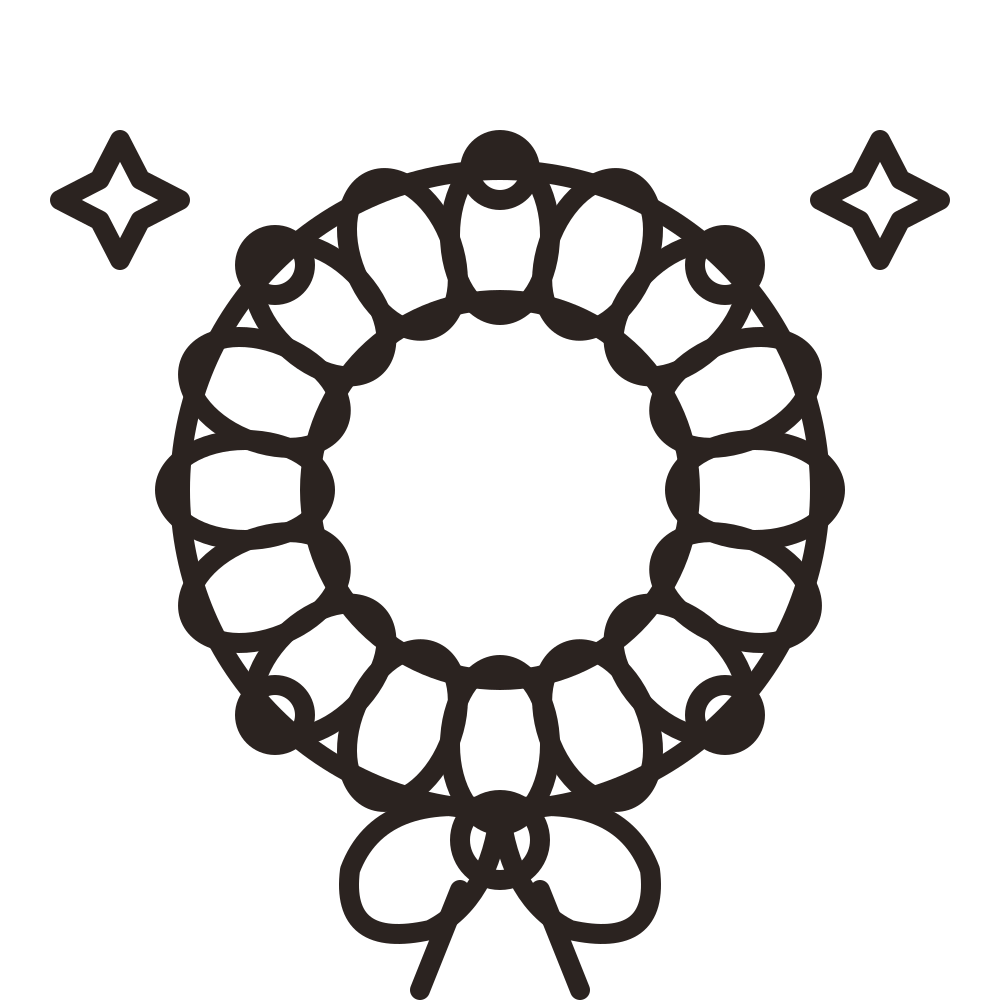
Christmas Wreath
Detailed

Butterfly Mandala
Medium
Tall Sunflower
Detailed

Gear Bot
Detailed
Crayons, markers or colored pencils?
- Crayons are forgiving, don't bleed through paper and need a bit of pressure, which is good hand work. Chunky ones suit toddlers; regular ones work from preschool on. The best all-round choice at every age.
- Washable markers give instant, bright color with almost no pressure, which helps a child who is discouraged by faint crayon marks. They bleed through thin paper and dry out if caps are left off. Best from preschool up.
- Colored pencils give the most control in small spaces and layer well, but need sharpening and firmer pressure for strong color. They usually click from about six or seven, sooner for children who like them.
- The online studio lets a child fill a shape with one tap, which is great for a quick finished picture but doesn't work the hand the same way. See our walkthrough of the coloring studio.
Signs a page is too hard
- They ask you to finish it, or give up after a few minutes with most of the page blank.
- They press so hard the crayon snaps, or scribble across the whole page in one frustrated sweep.
- They color one corner and announce they are done.
- They get upset about going over the lines.
None of these means anything is wrong. It just means the page doesn't fit today. Switch to a simpler drawing, take turns coloring one shape each, or agree to color only the big parts now and save the rest for tomorrow.
Scribbling counts
Scribbling is a stage, not a mistake. The art educator Viktor Lowenfeld called the years from about two to four the "scribbling stage," and described how random marks gradually become controlled loops, then circles, then faces. A child who scribbles over a careful outline is doing exactly what children that age do.
Try not to correct colors or lines. Instead of "Dogs aren't purple," ask "Tell me about your dog." You will learn more about what is going on in that head, and your child learns that coloring is theirs to enjoy.