12 Classroom Activities That Use Coloring Pages
6 min read
A stack of coloring pages can do a lot more than fill the last ten minutes before pickup. With a little planning, the same sheet can become a listening game, a counting lesson or a story prompt. Here are twelve activities that work in classrooms, at home and in childcare, with the steps and the kinds of pages that suit each one.
Before you start
Our terms of use let you print pages in any quantity for classrooms, libraries, childcare and other non-commercial settings, with no need to ask or credit us. For a big set, print one master and photocopy it; our printing guide covers the settings. Each page on the site is marked easy, medium or detailed, which makes it simple to give younger and older children versions of the same activity.
1. Color-by-instruction listening game
Any page with clearly separate parts works, and vehicles and robots are ideal. Try School Bus or Boxy Bot.
- Give every child the same page and the same four or five crayons.
- Give one instruction at a time: "Color the wheels black."
- Build up to two steps: "Color the biggest window blue, then the door red."
- Add position words: top, bottom, left, right, next to, between.
- At the end, hold the pages up together. Differences are a chance to talk about what was heard, not a mark against anyone.
2. Counting and early math
Pick pages with things to count: the apples on Apple Tree, the ducklings on Duck and Ducklings, the five leaves of Falling Leaves or the twelve flags of Birthday Bunting.
- Count the objects together before anyone colors, and write the number in the corner.
- Give a rule that needs counting: "Color three flags red and the rest yellow. How many yellow?"
- For older children, try fractions: color half the bunting flags, or a quarter of the sixteen leaves on Christmas Wreath.
3. Shape hunt
Shape Friends has a circle, square, triangle and star; Kite in the Sky adds a diamond; and most of the Robots are built from rectangles and circles. Agree on a color for each shape (circles red, rectangles blue) and have children find and color every one, then tally how many of each they found.
4. Pattern practice
Rows of repeated parts are perfect for patterns: the flags of Birthday Bunting, the stripes of Candy Cane and Holly, or the back plates of Spike the Stegosaur. Color the first three or four parts yourself in a simple pattern (red, blue, red, blue) and ask the child to continue it. Move on to AAB and ABC patterns, then let children invent a pattern for a partner to finish.
5. Life-cycle sequencing
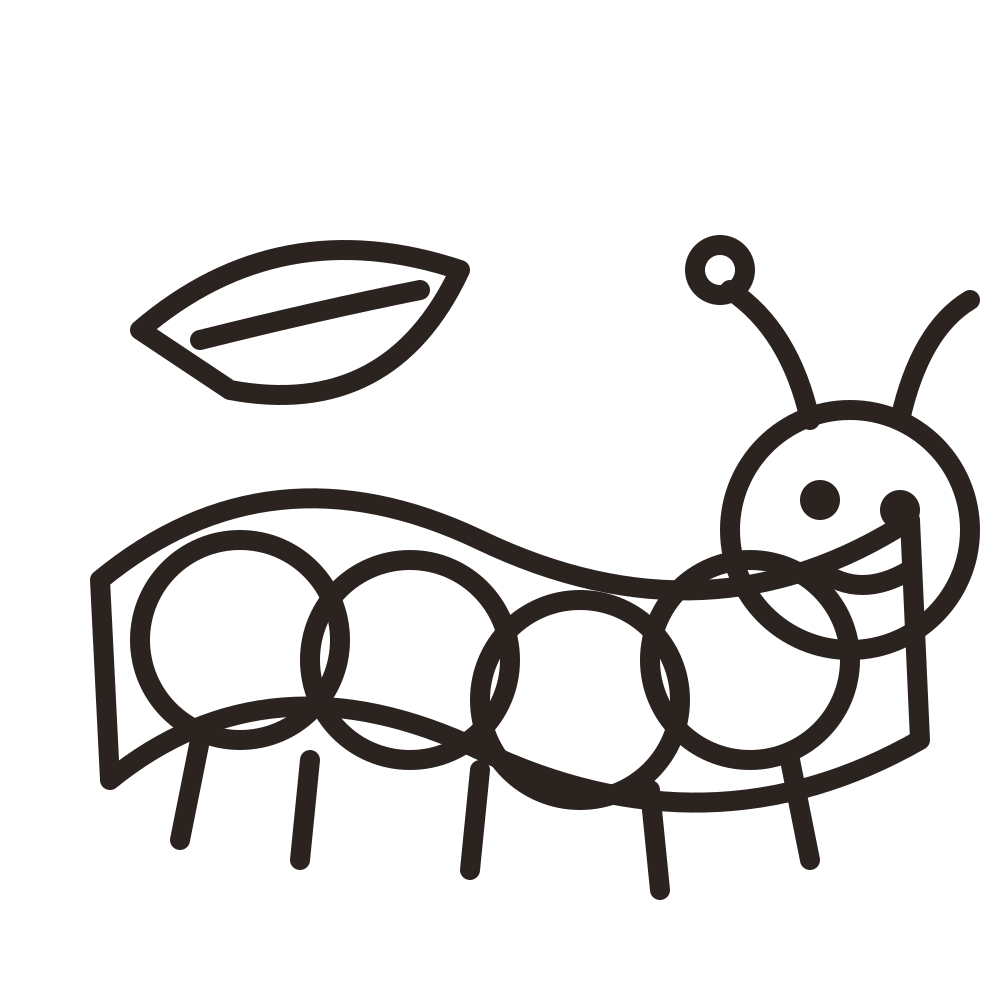
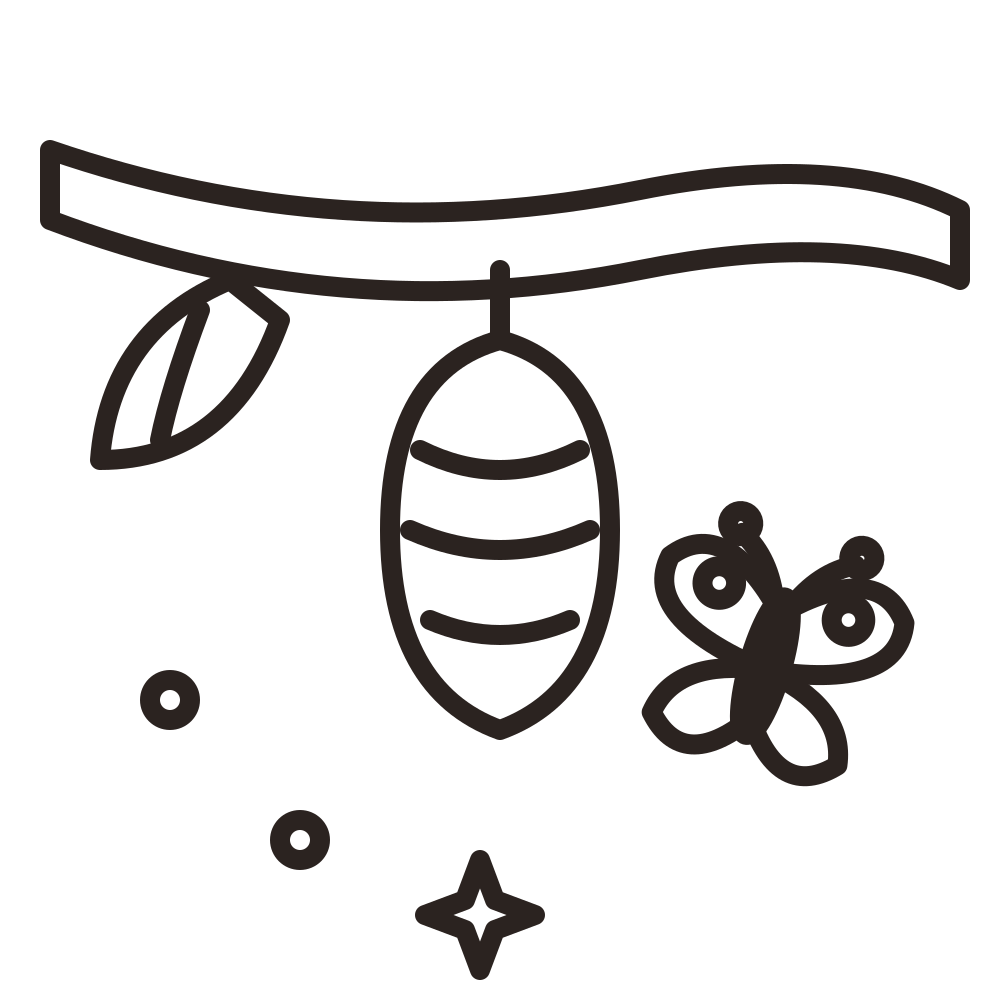
The butterfly pages make a ready-made life cycle: Hungry Caterpillar, Chrysalis Branch and a grown butterfly such as Meadow Monarch.
- Color the pages, then cut out the main pictures.
- Ask children to draw the missing first stage, a tiny egg on a leaf, themselves.
- Arrange the stages in order on a strip of paper or a paper plate divided into four, and glue them down.
- Retell the cycle using first, next, then and finally.


6. Vocabulary and labeling
Vehicle pages are full of nameable parts. Fire Engine has a roof ladder, a hose reel and a cab light; Digger has tracks, a jointed arm and a toothed bucket. Before coloring, name the parts together and write them on the board. Children color, then draw arrows and copy the labels onto their page. For children learning English, color and say it together: "the red ladder," "the black wheels." The Rockets & Space pages work the same way with rover, satellite and comet.
7. Story starters
Some drawings beg a question. Who lives behind the Fairy Door? Where is the Flying Saucer going? Why is there a cat in the box on Cat in a Box? Coloring first gives children thinking time. Then younger children tell the story while an adult writes it down, and older children write three to five sentences of their own. Display each story beside its picture.
8. Seasonal displays
Rotate a display through the year: Maple Leaf and Acorn and Leaf from Trees & Leaves in autumn, the Christmas pages in December, Cherry Blossom and Spring Daffodil in spring, and Palm Tree or Ice Cream Van for summer. Print display pieces on light cardstock, cut them out and mount them on colored paper. The Birthday pages make a good class birthday board, with one cake or balloon per child.
9. A calm-down corner
Keep a folder of pages and a small tub of crayons in a quiet spot. Include easy pages for little ones and detailed or pattern-heavy ones like Star Mandala, Butterfly Mandala and Patterned Wings for older children. Keep it optional, never a punishment, and don't require a page to be finished. Some children like a sand timer so they know how long they are staying.
10. A collaborative mural
Cover a long sheet of paper in blue for an ocean or black for space. Each child colors and cuts out one creature or object from Fish & Sea Life or Rockets & Space. Then the group decides together where everything goes, which brings in some science: does the crab belong on the sea floor or at the surface? Add seaweed, bubbles or stars by hand to finish.
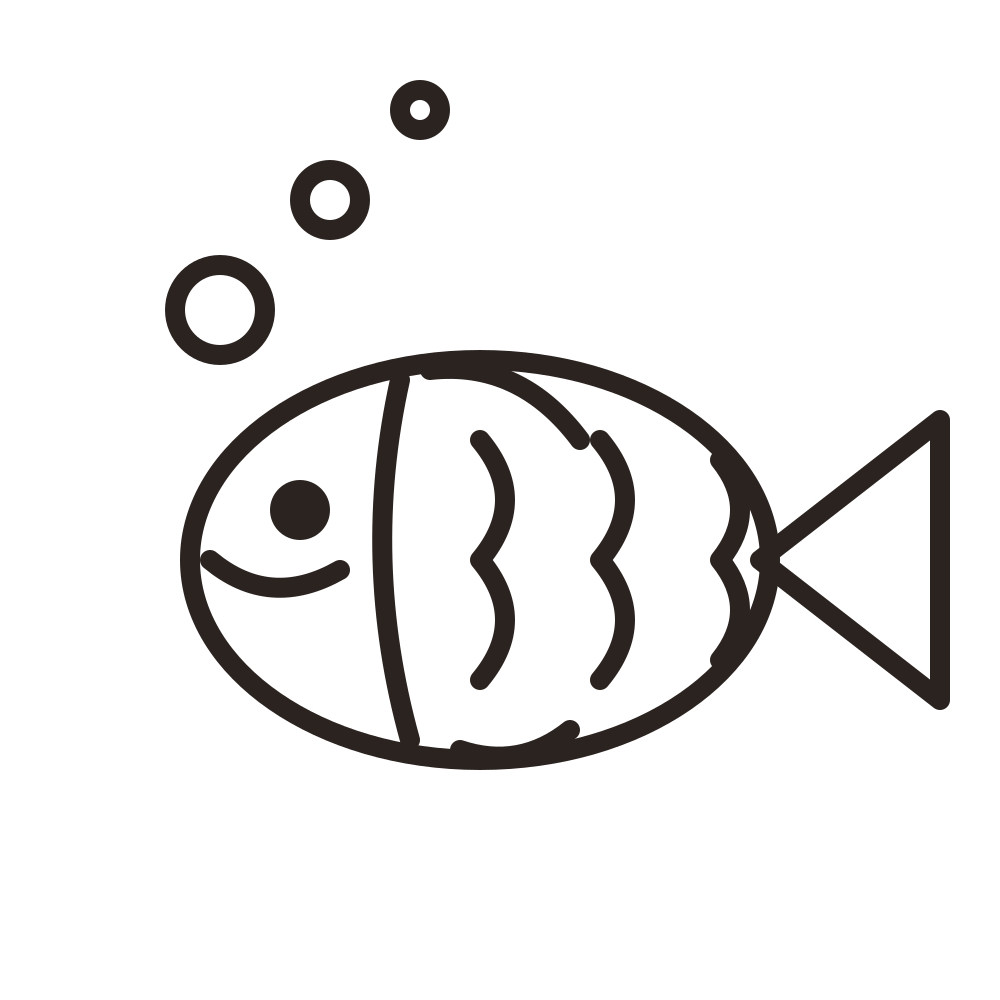
Friendly Fin
Easy
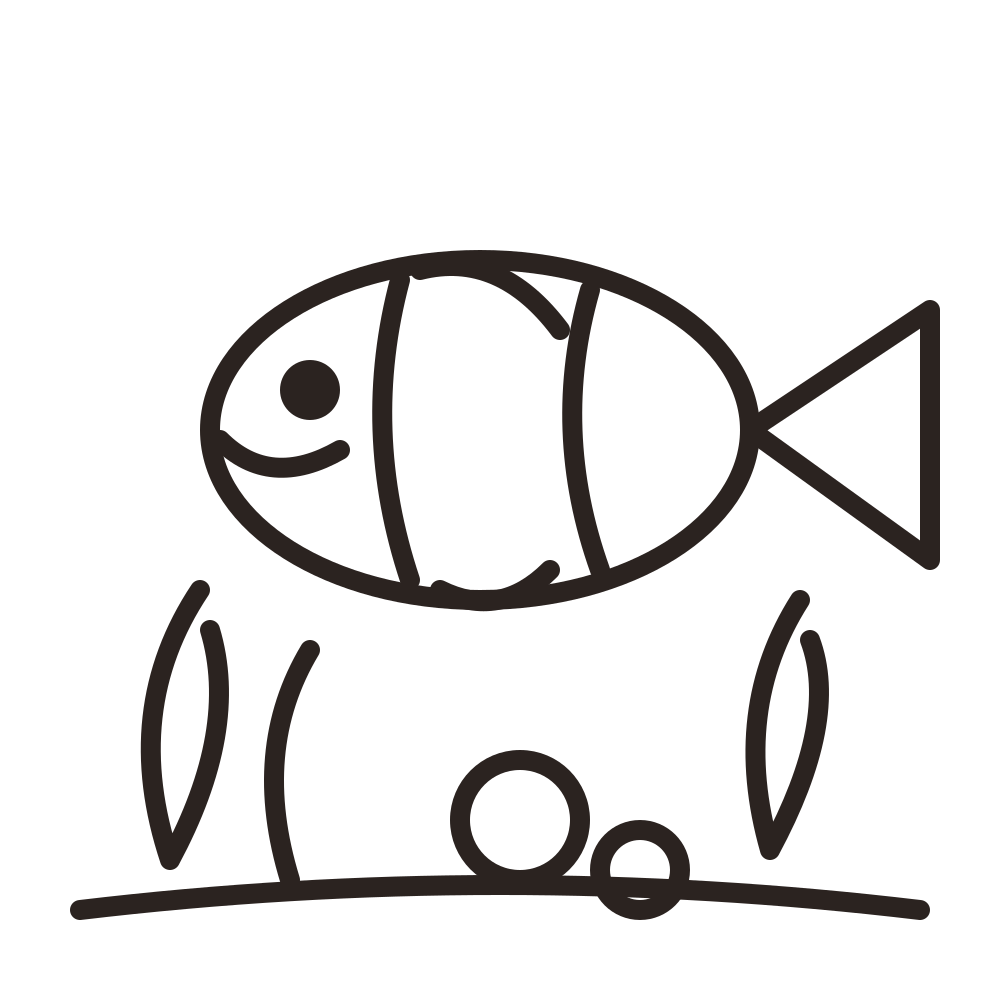
Clown Fish Reef
Easy

Happy Octopus
Easy
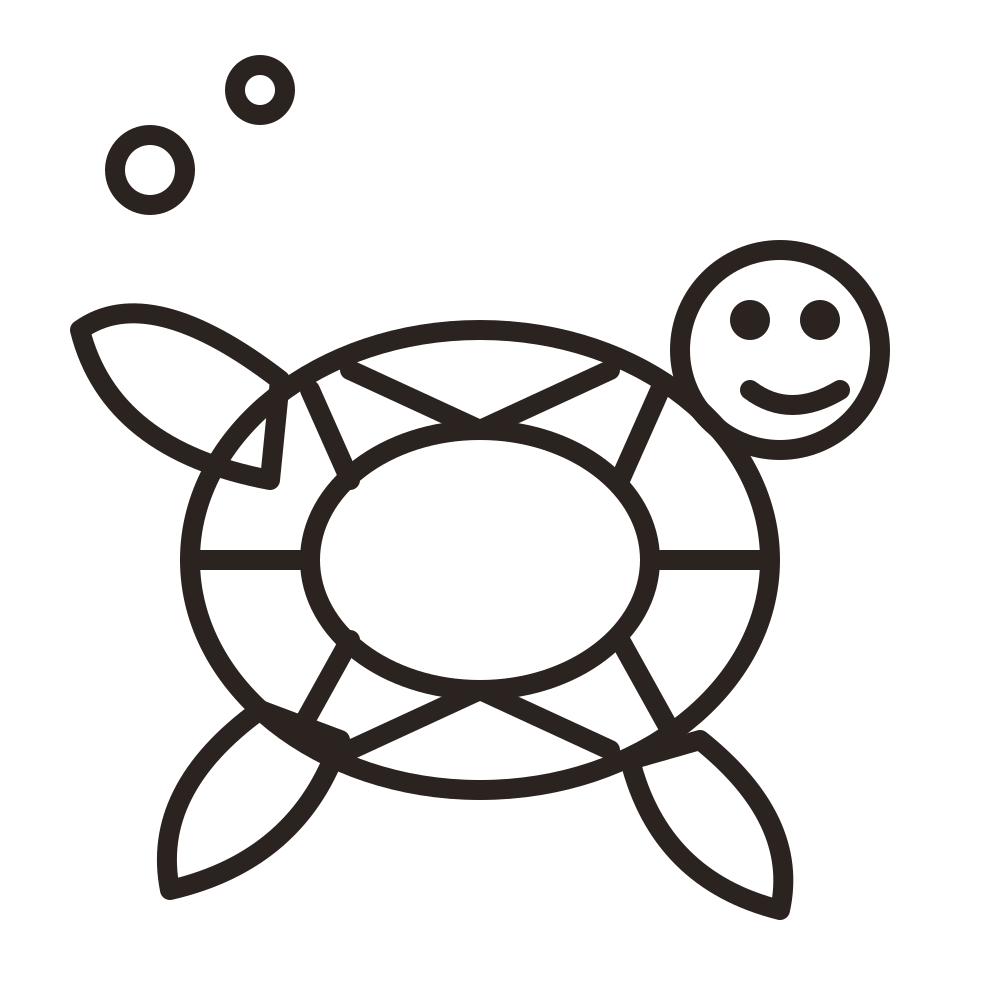
Sea Turtle
Medium
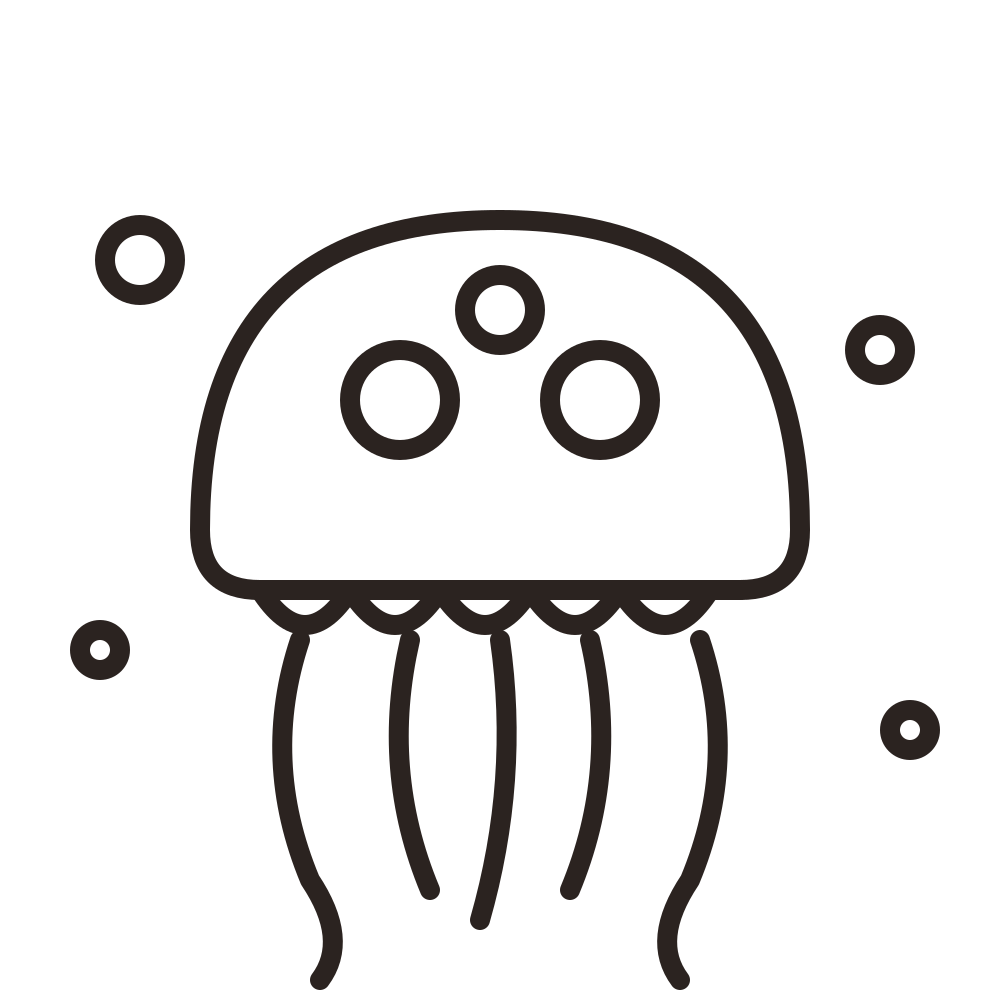
Jellyfish
Easy

Crab on the Sand
Easy
11. Cut-and-paste crafts
- Stick puppets: color a character, glue it to cardstock, cut it out and tape it to a craft stick. Robots and Cats make good casts for a puppet show, which pairs nicely with the story starters above.
- Greeting cards: fold a sheet of cardstock in half and glue a colored Wrapped Gift or Birthday Cake to the front.
- Ornaments: print Christmas Bauble on cardstock, color it, cut it out, punch a hole and add a ribbon.
Cutting along a thick outline is good beginner scissor practice. Give new cutters pages with big, simple outlines.
12. Same page, many versions
Give everyone the same page, such as Smiling Cat Face or Unicorn Head, with no instructions about color. Hang the finished pages in a grid and talk about them: which one looks like night-time? Which feels warm? What did someone do that you hadn't thought of? Children see there is no single right way, and they pick up words for describing art. Our simple color tips has ideas to build on.
Write names on the back of every page before handing them out. Ten minutes later, nobody remembers which purple cat is theirs.