Advertisement
Animals
Cats Coloring Pages
These cat pages follow a cat through an ordinary day: sitting up and paying attention, batting at yarn, squeezing into a cardboard box, eyeing a goldfish, and curling up for more than one nap. Each drawing uses thick, simple outlines, so the shapes are easy to see and easy to stay inside.
Most of the set suits preschoolers and early elementary kids. The sleeping cats and the big smiling face are mostly large open spaces, while the basket and fishbowl pages add a few smaller sections for children who are ready for a little more control.
Cats make good conversation starters. While your child colors, you can talk about why cats nap so much, what whiskers are for, or how to be gentle with a kitten. If you have a cat at home, or a neighbor's cat your child knows, try matching its colors and markings.

Curious Kitten
Easy
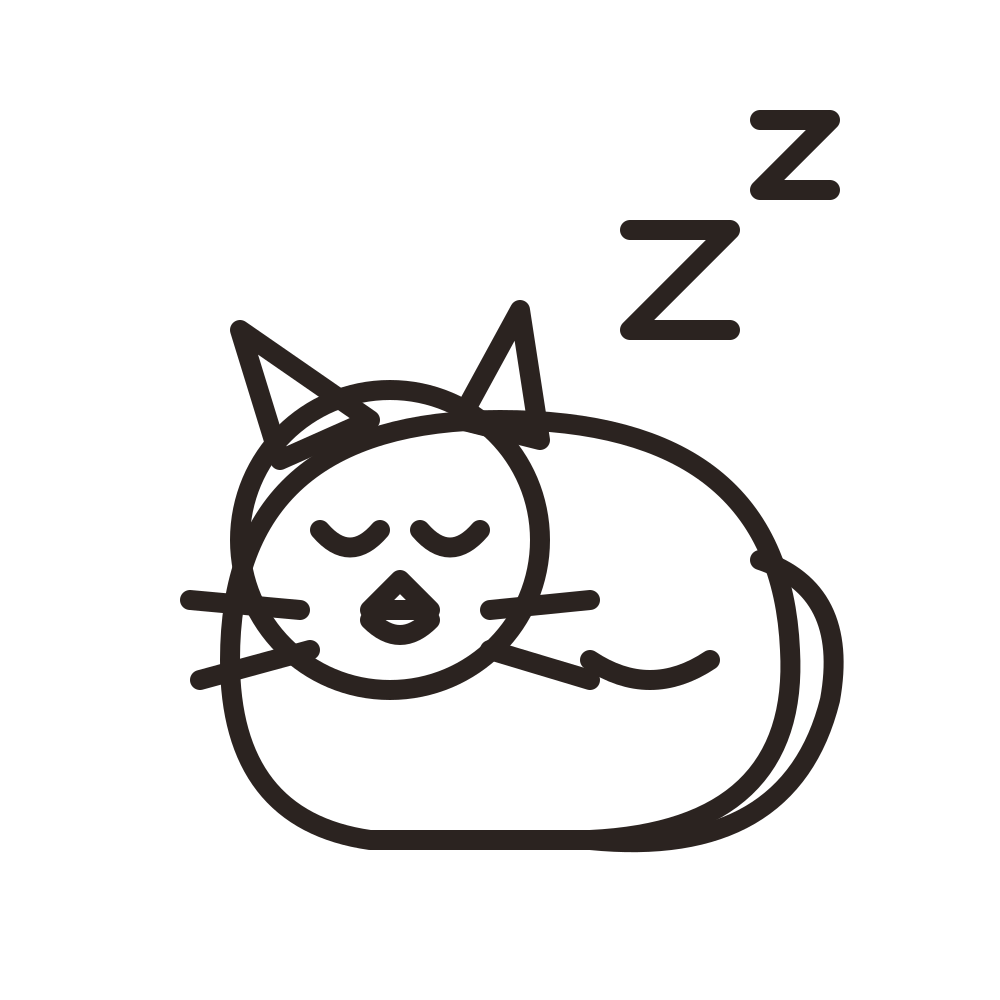
Sleepy Tabby
Easy
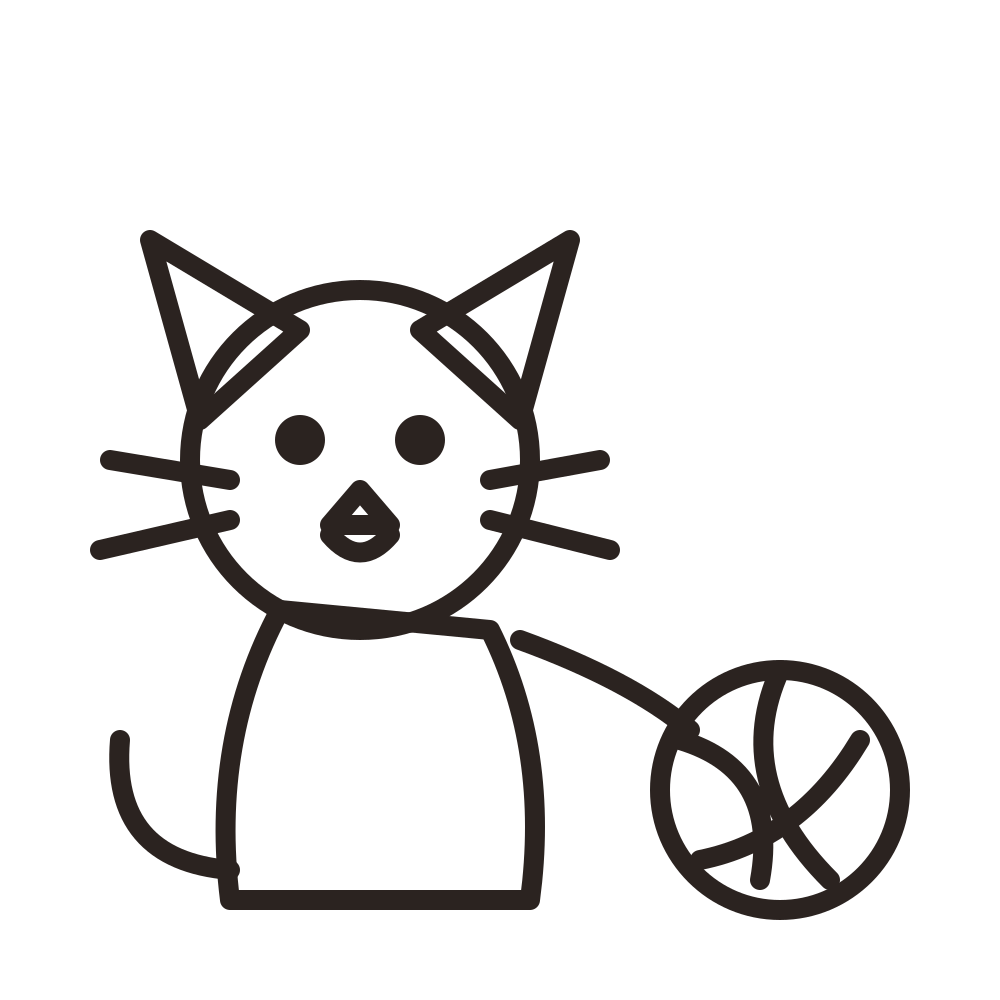
Cat with Yarn
Easy

Smiling Cat Face
Easy

Cat in a Box
Easy

Fluffy Cat
Medium

Cat and the Fishbowl
Medium

Cat on a Cushion
Easy

Kitten in a Basket
Medium
Tips for coloring cats
- Look at real cat coats for ideas. A tabby has stripes and often an "M" shape on its forehead, a tuxedo cat is black with a white chest and paws, and a calico has patches of orange, black, and white.
- To draw tabby stripes, color the whole cat a light orange or gray first, then add darker stripes on top. The stripes look most natural when they curve around the body instead of running straight across it.
- For a black cat, try dark gray or navy instead of solid black. That way the eyes, nose, and whisker lines still show up.
- Leave the whiskers uncolored or trace over them with a fine dark marker at the end, so they stand out against the fur.
New to coloring with your child? Our guide to choosing pages by age explains what the Easy, Medium and Detailed labels mean.