Advertisement
Plants
Flowers Coloring Pages
These flower pages move from the simplest garden shapes to busier arrangements. A daisy, a tulip and a rose are each drawn as a single bloom on a straight stem, with big petals that suit a toddler's first crayons. The sunflower, lotus and bouquet stack petals on top of each other, which gives older children more to think about.
Flowers are a natural way to talk about how plants live. As you color, you can point out the parts a child can name on a real plant – petals, center, stem and leaves – and wonder together why a sunflower is so tall or why a lotus grows on water.
Many children also like to color a flower to match one they have seen in a park, a garden or a shop. Keeping a real flower or a photo beside the page turns it into a small looking exercise as well as a coloring one.
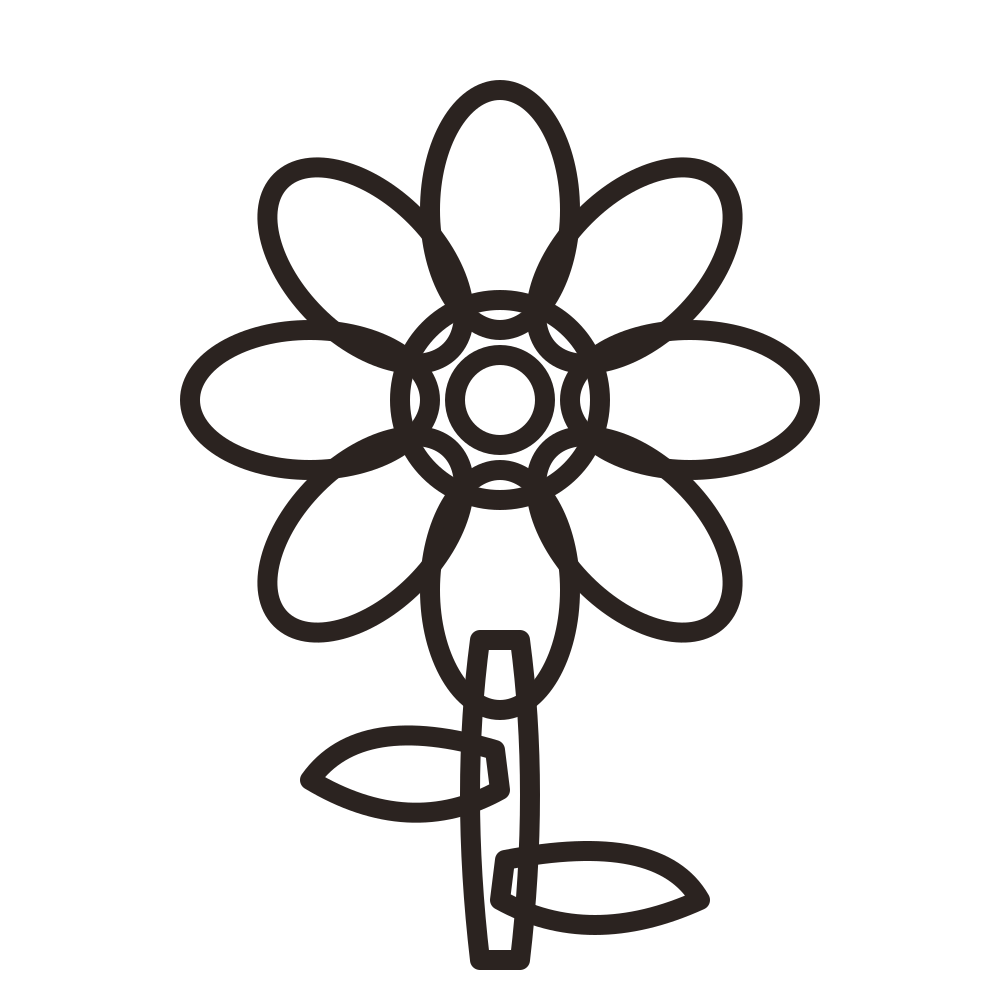
Sunny Daisy
Easy
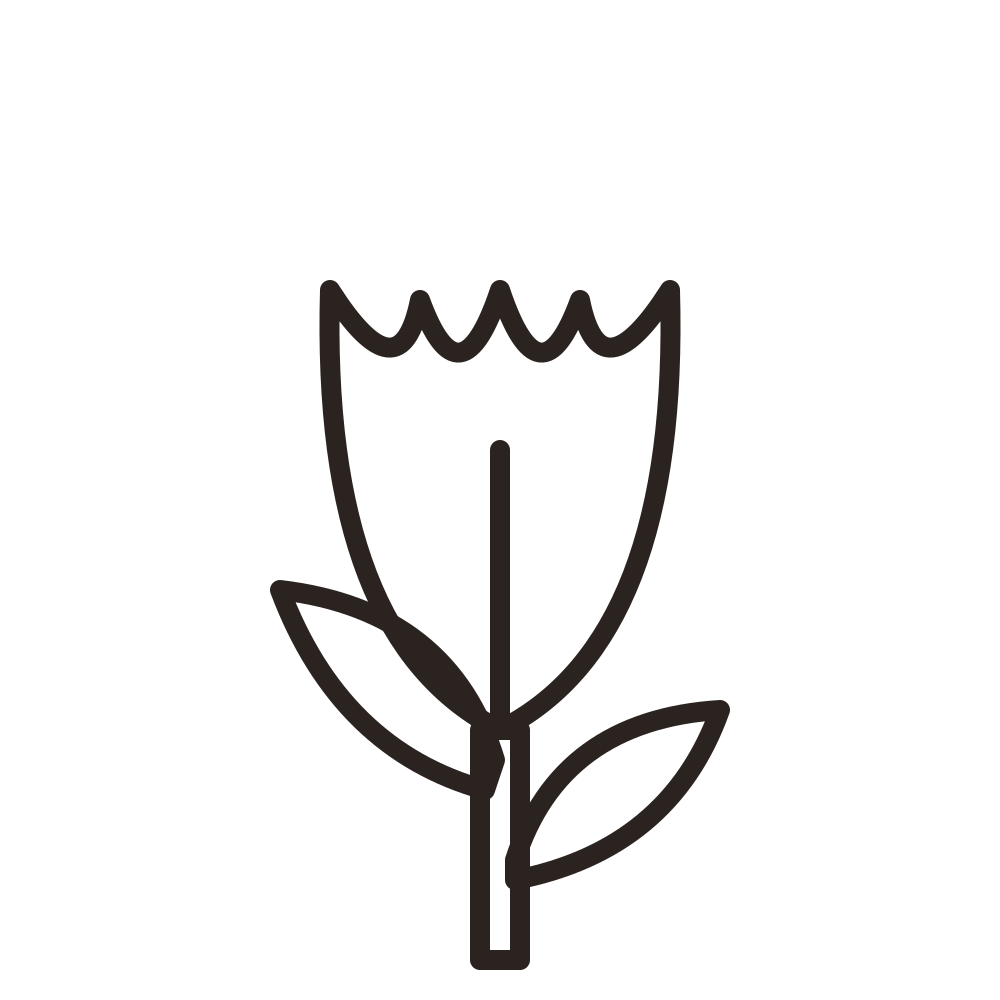
Garden Tulip
Easy
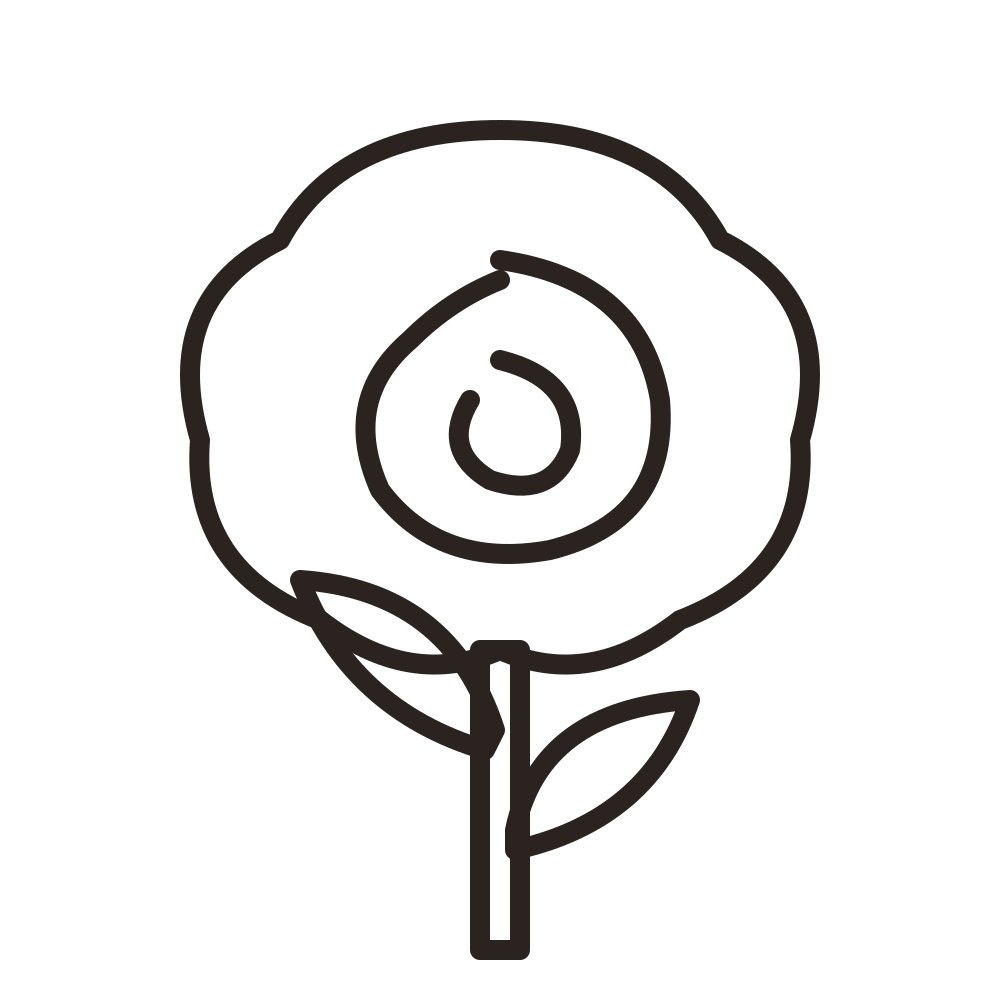
Rose in Bloom
Easy
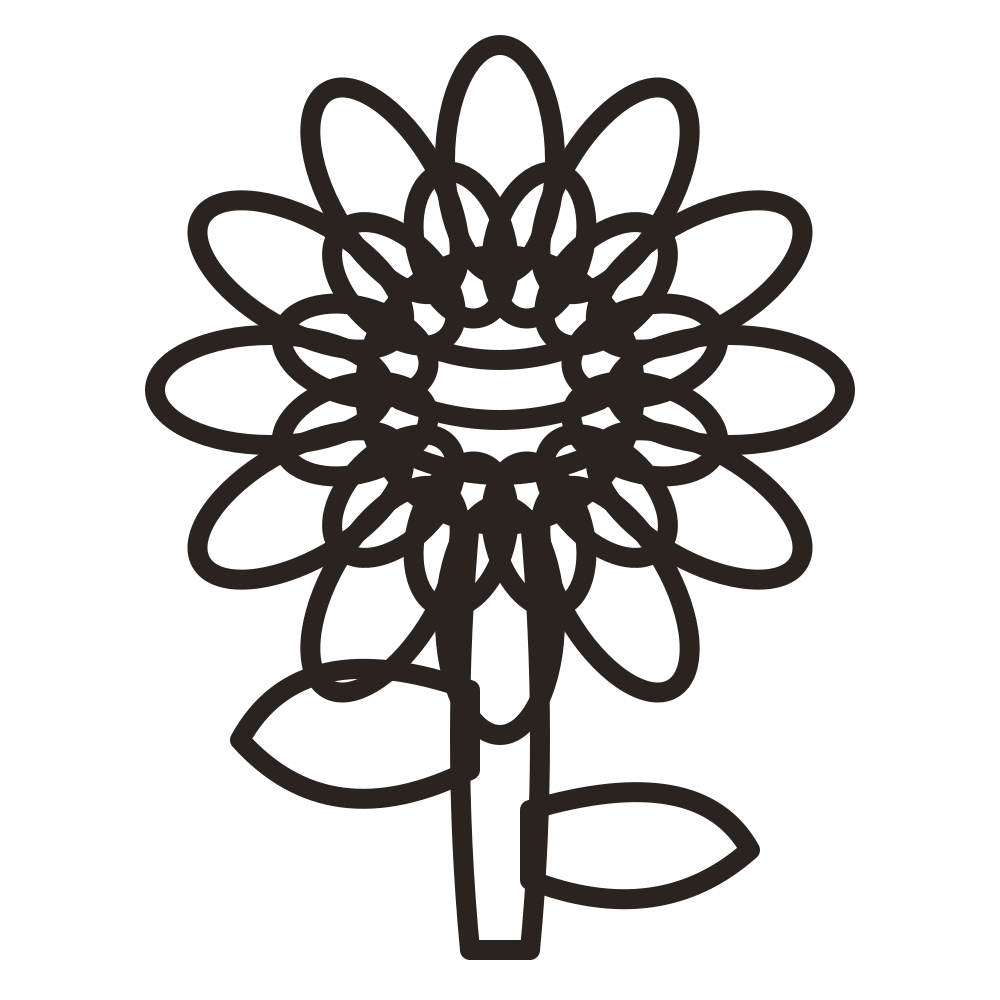
Tall Sunflower
Detailed
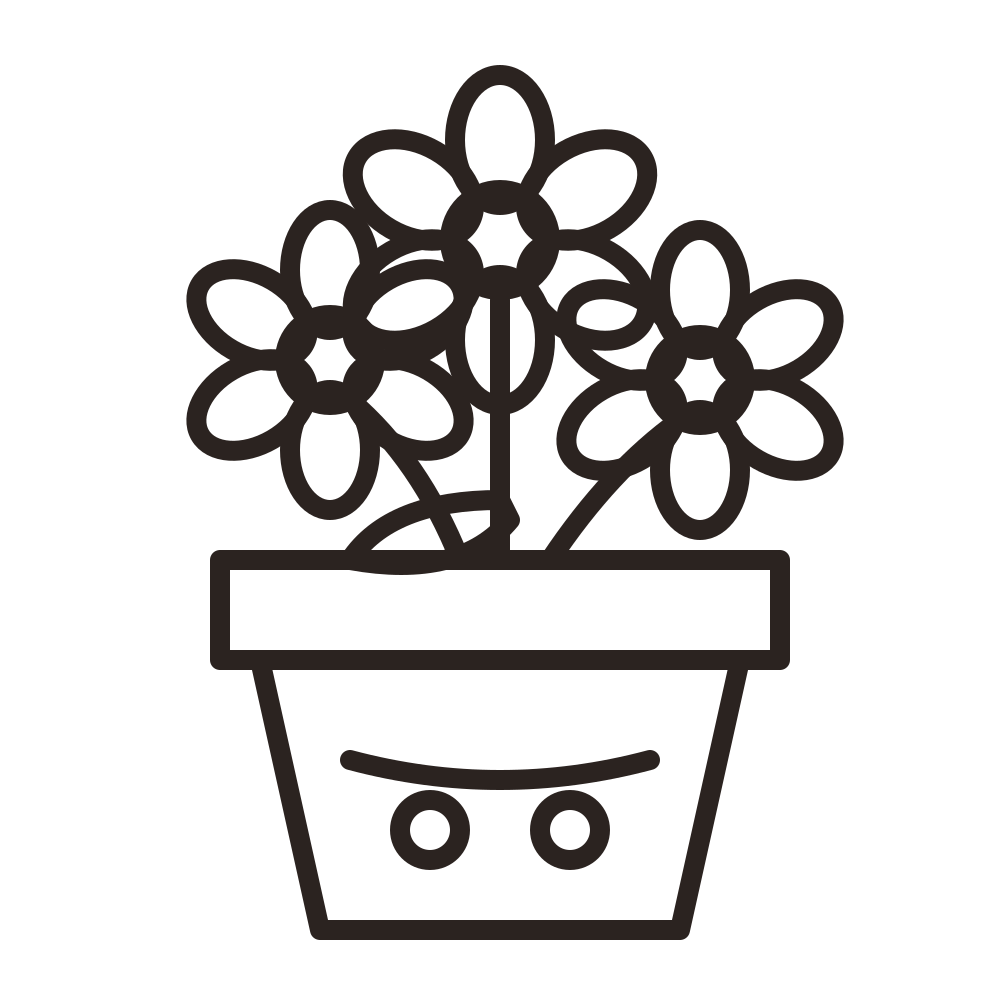
Flowers in a Pot
Medium
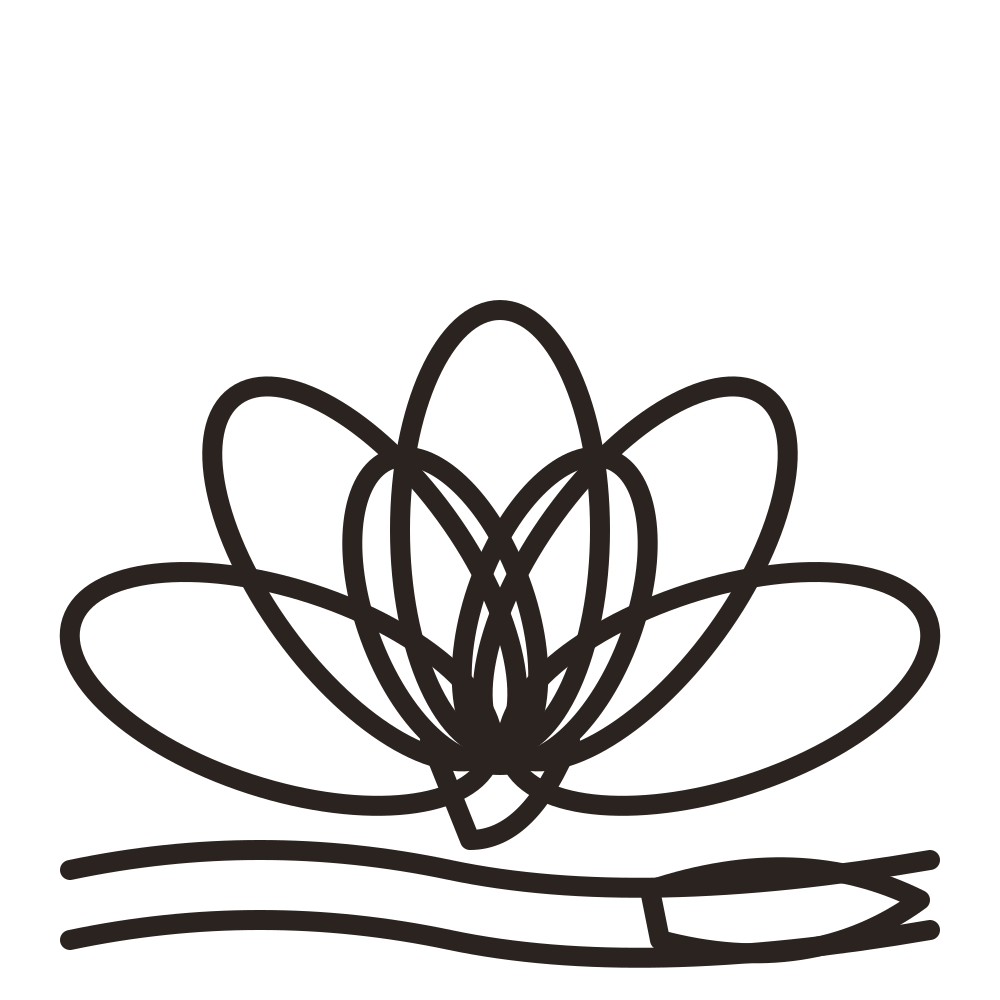
Lotus Bloom
Medium
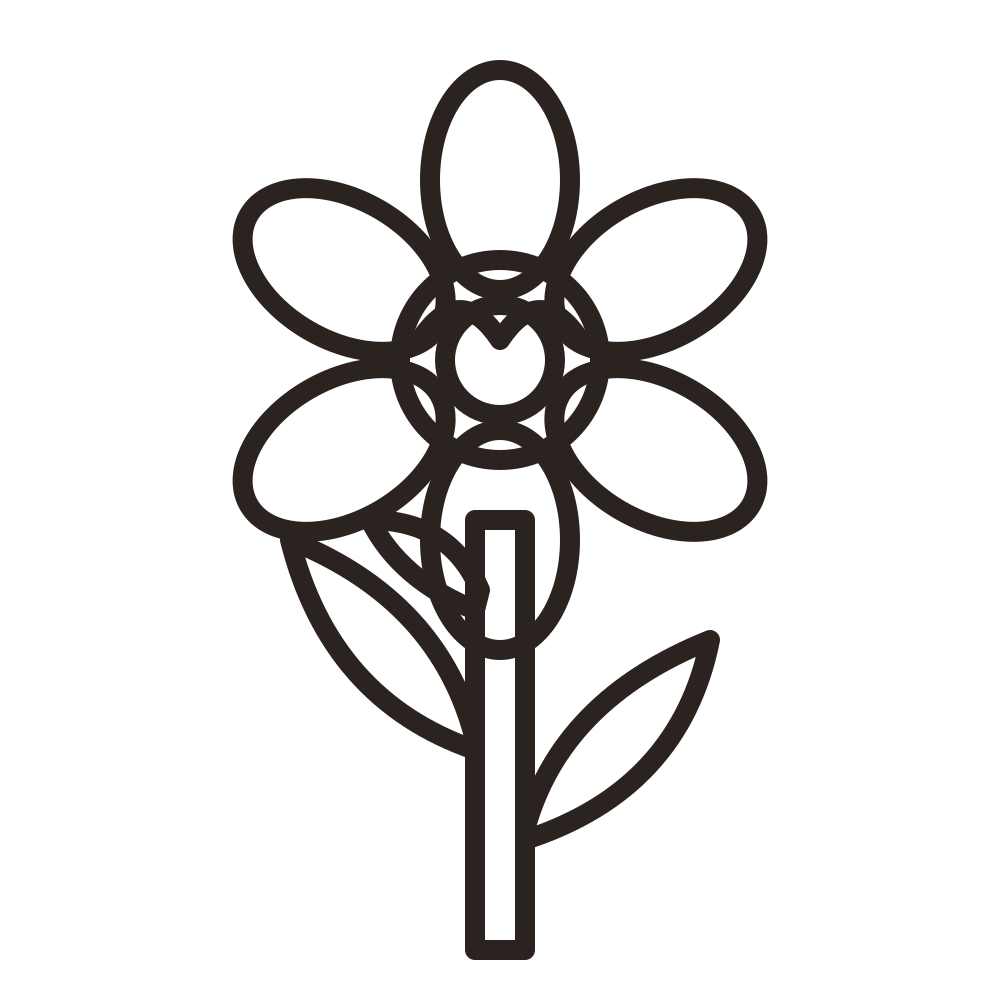
Spring Daffodil
Easy

Flower Bouquet
Medium
Tips for coloring flowers
- Color the center of the flower first, then the petals. A dark center makes the petals around it look brighter.
- To make petals look soft, press lightly near the center and harder toward the tips, or the other way round. Either way gives a gentle two-tone look with a single crayon.
- Stems and leaves do not all have to be the same green. Try a yellow-green for new leaves and a deeper green for the stem so the parts stand apart.
- Where petals overlap, pick one petal to sit "in front" and color it a shade lighter than the one behind it.
New to coloring with your child? Our guide to choosing pages by age explains what the Easy, Medium and Detailed labels mean.